What Happens to Your Waste After a Skip Is Collected?
When you hire a skip, it's easy to focus on what happens while the container is on your site. But what happens once it's full and the skip lorry drives away?
The answer depends on the type of waste, how it has been separated and the facility receiving it.
Some materials may be suitable for recycling or recovery, while others require specialist treatment or disposal.
At Smart Environmental, we provide 20-yard and 40-yard RoRo skip hire for suitable construction and commercial waste, alongside dedicated enclosed asbestos skips.
This guide explains the typical journey of waste after a skip is collected and why correct waste identification matters from the very beginning.
1. The Skip Is Collected from Your Site
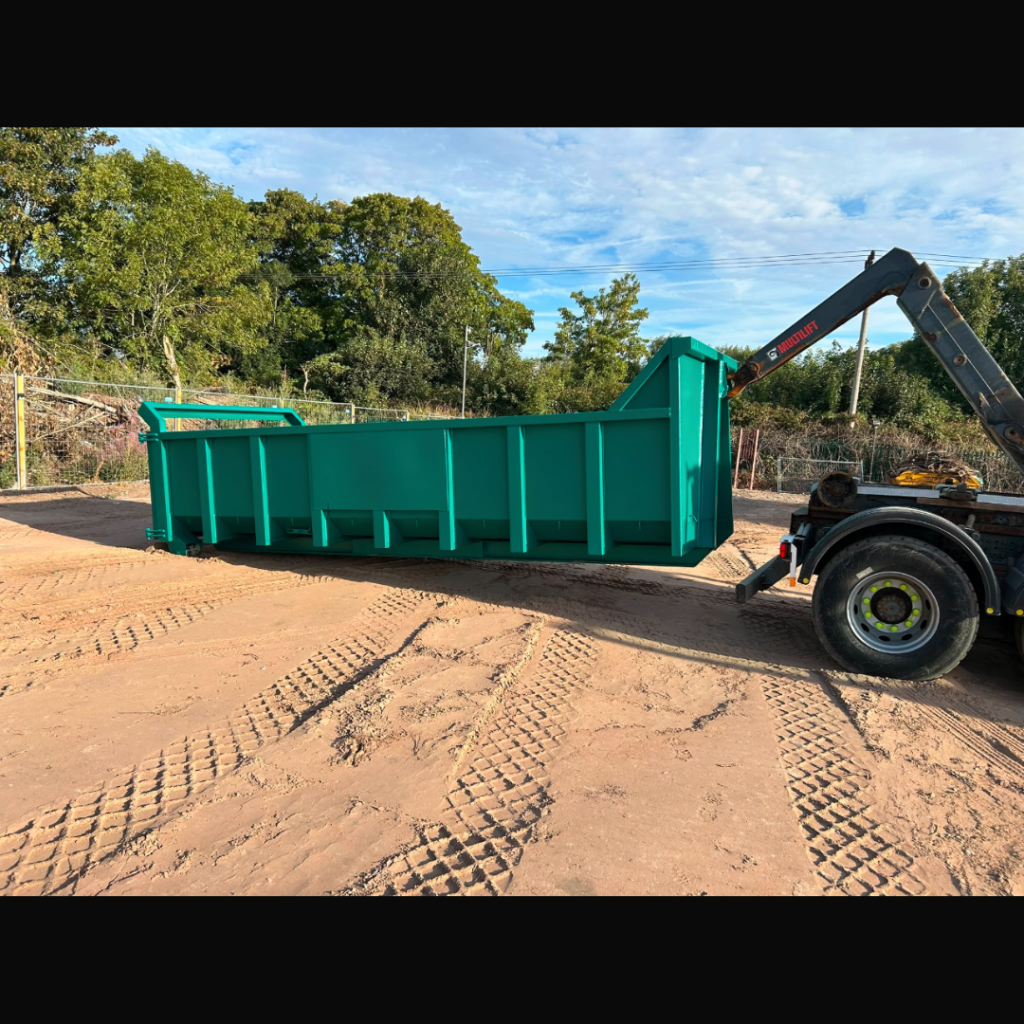
Once your project is ready for the skip to be removed, collection is arranged with your skip hire provider.
Before the vehicle arrives, the skip must be accessible and suitable for safe collection.
The driver needs sufficient space to manoeuvre and load the container, and the waste must remain within the agreed loading limits.
The contents must also match the waste type agreed when the skip was hired.
For example, a 40-yard RoRo skip intended for lightweight, bulky waste must not be loaded with heavy materials such as soil, concrete or rubble.
Incorrect loading can create safety problems and may prevent the skip from being collected until the issue is resolved.
For more information about selecting a suitable container, read 20 Yard vs 40 Yard RoRo Skips: Which Size Do You Need?
2. The Waste Is Transported to an Appropriate Facility
After collection, the skip is transported to a facility authorised to accept the relevant waste.
The destination depends on the waste type and the arrangements made by the skip hire provider.
Different facilities may accept different materials, so the waste must be accurately described before collection.
A facility that accepts general construction waste, for example, may not be authorised to accept asbestos.
The waste must also be accompanied by the appropriate documentation.
For non-hazardous controlled waste, this generally involves waste transfer documentation.
Our guide, What Is a Waste Transfer Note and When Do You Need One?, explains what this paperwork records and why it matters.
3. The Waste Is Checked When It Arrives
When waste arrives at a receiving facility, it may be checked against the information provided.
This helps establish whether the material is suitable for acceptance.
Checks may identify:
- Waste that differs from the original description.
- Materials that the facility is not authorised to accept.
- Contamination within a dedicated waste stream.
- Other issues affecting safe handling or treatment.
If the contents do not match the agreed waste description, the facility may need to take additional action.
This can lead to delays, additional charges or alternative disposal arrangements.
Accurately describing your waste when booking a skip helps reduce the likelihood of these problems.
4. Some Waste May Be Sorted for Recycling or Recovery
What happens next depends on the type of waste and the receiving facility.
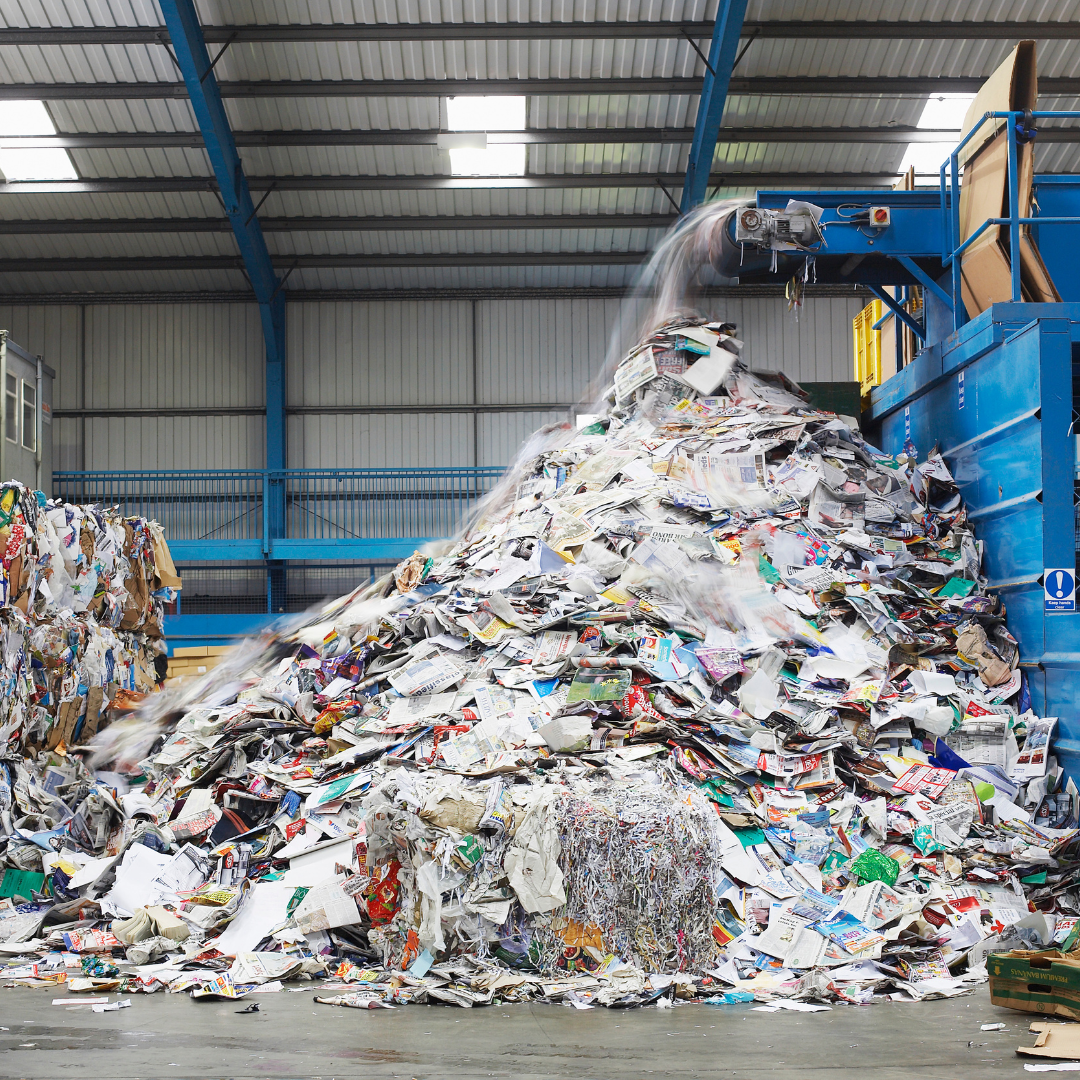
At an appropriately equipped waste facility, suitable materials may be separated for recycling or recovery.
The process varies according to the facility, the waste composition and the available treatment routes.
For example, mixed construction waste may contain timber, metal and other recoverable materials.
However, contamination can make materials more difficult to separate or unsuitable for particular recycling processes.
This is one reason why separating waste at the point where it is produced can be beneficial.
Our guide, What Is Waste Segregation and Why Does It Matter?, explains how dedicated waste streams can support recycling opportunities and potentially reduce disposal costs.
5. Different Materials Follow Different Routes
Not every type of waste is managed in the same way.
The following examples illustrate how the material can influence what happens after collection.
Wood Waste
Suitable wood may be directed towards recycling or recovery, depending on its condition, classification and the receiving facility.
Contaminated or specially treated wood may require different arrangements.
Metal Waste
Suitable scrap metal can be separated and directed towards metal recycling processes.
Brick, Concrete and Hardcore
Suitable, correctly classified inert materials may be processed for recovery, including use as recycled aggregate where appropriate.
However, contamination or unsuitable material can affect the available options.
Mixed Construction Waste
Mixed waste may require sorting before suitable materials can be recovered.
The outcome depends on the composition of the load and the processing capabilities of the facility.
Asbestos Waste
Asbestos waste follows a different route.
It must be managed as hazardous waste and delivered to a facility authorised to accept it.
It must not be mixed with ordinary construction waste or treated as a conventional recyclable material.
Smart Environmental provides dedicated enclosed asbestos skips and operates an appropriately permitted asbestos disposal facility in Kirkby-in-Ashfield.
For more information, read our Complete Guide to Asbestos Skip Hire.
6. What Happens to Waste That Cannot Be Recycled?
Not all waste can be recycled or recovered.
Some materials may be contaminated, unsuitable for available treatment processes or subject to specific disposal requirements.
Where recycling or recovery is not appropriate, the waste must be directed to a suitable authorised disposal route.
The correct destination depends on the material's classification and the facilities permitted to accept it.
A responsible waste management approach involves identifying the waste correctly and selecting an appropriate route rather than assuming that every load can be recycled.
Does Hiring a Skip Mean All Your Waste Will Be Recycled?
No.
Hiring a skip does not guarantee that all the waste placed inside it will be recycled.
The outcome depends on several factors, including:
- The type of waste.
- Whether materials have been separated.
- The presence of contamination.
- The receiving facility's capabilities.
- The available recycling and recovery routes.
A dedicated skip for a suitable waste stream can make it easier to direct that material towards an appropriate treatment route.
However, the final outcome must not be assumed without supporting information.
If your project requires evidence of recycling, recovery or disposal, discuss the documentation available with your skip hire provider before booking.
How Can You Help Improve Waste Management on Your Site?
Although the treatment and disposal processes take place after the skip leaves your site, the decisions made before collection can influence what happens next.
Identify Your Waste Correctly
Establish what materials your project will produce before booking a skip.
If the waste may be hazardous or contaminated, arrange an appropriate classification assessment where required.
Our guide, Hazardous vs Non-Hazardous Waste: What's the Difference?, explains why correct classification matters.
Consider Separate Skips for Different Materials
Where sufficient quantities are produced, dedicated skips for suitable materials such as wood, metal or hardcore may be worth considering.
Avoid Contaminating Dedicated Waste Streams
Only place the agreed materials into a dedicated skip.
Adding unsuitable waste can affect how the entire load is handled.
Choose the Correct Skip Size
Select a container that is suitable for both the volume and weight of the waste.
A larger skip is not automatically suitable for heavier materials.
Provide Accurate Information When Booking
Tell your skip hire provider what waste you expect to generate, where the skip will be positioned and whether you anticipate any unusual materials.
This helps establish suitable delivery, collection and disposal arrangements.
What Documentation Should You Receive?
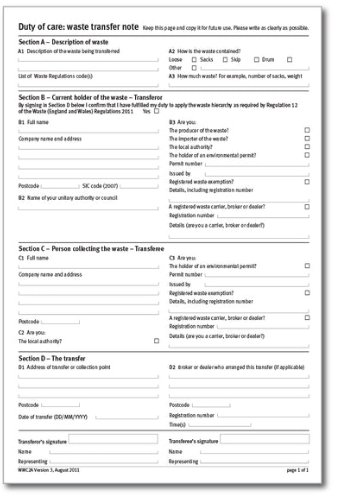
The documentation depends on the waste being transferred.
For non-hazardous controlled waste, the transfer must be covered by appropriate waste transfer documentation.
For hazardous waste such as asbestos, the applicable hazardous waste consignment documentation is required.
These documents record the movement of waste. They do not automatically prove that every material has been recycled.
Businesses should retain the relevant records and understand their responsibilities under the waste duty of care.
For official information, read GOV.UK's Waste Duty of Care Code of Practice.
How Does Smart Environmental Manage Skip Hire?
Smart Environmental provides RoRo skip hire for suitable construction, demolition, commercial and agricultural waste.
Our services include:
- 20-yard RoRo skips for suitable waste streams, including agreed heavy materials within loading limits.
- 40-yard RoRo skips for suitable lightweight, bulky waste.
- Dedicated enclosed asbestos skips for agreed asbestos-containing waste.
We discuss the waste type, estimated quantity and site requirements before arranging skip delivery.
Our service includes collection and appropriate transport and disposal arrangements for the agreed waste.
For general construction and commercial waste, visit our RoRo Skip Hire page.
For asbestos-containing materials, visit our Asbestos Skip Hire page.
We cover Nottingham, Mansfield, Derby, Chesterfield, Newark and surrounding areas.
Need a Skip for Your Project?
Whether you're planning a construction project, clearing a commercial premises or replacing an asbestos-containing roof, arranging the right skip starts with understanding the waste you'll produce.
Smart Environmental provides RoRo and enclosed asbestos skip hire across Nottinghamshire, Derbyshire and surrounding areas.
Contact us with your project location, waste type and estimated quantity to discuss a suitable container.
Call 01623 272 919 for a skip hire quotation.