Hazardous vs Non-Hazardous Waste: What's the Difference?
Understanding the difference between hazardous and non-hazardous waste is essential for businesses that produce, handle or arrange waste collections.
Construction sites, roofing projects, commercial premises and agricultural businesses can generate a wide range of waste materials. Some are classified as hazardous, while others are non-hazardous.
The distinction affects how waste must be handled, stored, transported and disposed of.
At Smart Environmental, we provide RoRo skip hire for suitable non-hazardous waste and dedicated enclosed asbestos skips for agreed asbestos waste across Nottinghamshire, Derbyshire and surrounding areas.
This guide explains the key differences between hazardous and non-hazardous waste, how waste is classified and why identifying it correctly matters.
What Is Hazardous Waste?
Hazardous waste is waste that contains substances or has properties that make it potentially harmful to human health or the environment.
In England, hazardous waste is identified through the applicable waste classification rules.
A waste may be hazardous because it contains certain dangerous substances or displays hazardous properties, such as being flammable, corrosive or toxic.
Examples of waste that may be classified as hazardous include:
- Asbestos-containing materials.
- Certain paints, solvents and chemicals.
- Some contaminated soils.
- Certain oils and oily wastes.
- Some electrical equipment and batteries.
Not every item within these broad categories is automatically hazardous. The correct classification depends on the particular waste and the applicable classification rules.
For detailed guidance, refer to the Environment Agency's Waste Classification Technical Guidance (WM3).
What Is Non-Hazardous Waste?
Non-hazardous waste is waste that does not meet the criteria for classification as hazardous.
Common examples can include suitable:
- Untreated timber.
- Clean brick and concrete.
- Scrap metal.
- Green waste.
- General commercial waste.
However, the material's origin and composition still matter.
For example, clean concrete from a construction project may be non-hazardous, while concrete contaminated with certain hazardous substances may require a different classification.
Non-hazardous does not mean that waste can be disposed of anywhere or handled without controls.
Businesses must still meet their waste duty of care responsibilities and use appropriate collection and disposal arrangements.
What Is the Main Difference Between Hazardous and Non-Hazardous Waste?
The fundamental difference is the waste's classification.
Hazardous waste has properties or contains substances that meet the relevant hazardous waste criteria.
Non-hazardous waste does not meet those criteria.
This distinction affects several aspects of waste management.
Waste Storage
Hazardous waste may require additional precautions to prevent exposure, contamination or environmental harm.
Different hazardous waste types may also need to be kept separate to avoid dangerous reactions or other risks.
Non-hazardous waste must still be stored securely and managed to prevent escape or pollution.
Waste Collection
The waste collection method must be suitable for the material being transported.
For example, asbestos waste requires dedicated arrangements rather than collection in an ordinary mixed waste skip.
Waste Documentation
Non-hazardous controlled waste transfers generally require waste transfer documentation.
Hazardous waste movements normally require hazardous waste consignment notes.
Our guide, What Is a Waste Transfer Note and When Do You Need One?, explains the documentation used for non-hazardous waste.
Disposal Facilities
Waste must be delivered to a facility authorised to accept the particular material.
A facility permitted to accept general construction waste is not necessarily authorised to accept hazardous waste.
How Do You Know Whether Waste Is Hazardous?
Waste cannot always be classified by appearance alone.
A material may look harmless but contain hazardous substances. Equally, an unfamiliar material should not automatically be classified as hazardous without an appropriate assessment.
Businesses should establish what the waste is, where it came from and whether it contains hazardous substances.
The classification process may involve:
- Identifying the source of the waste.
- Establishing its composition.
- Reviewing relevant product or site information.
- Considering available sampling and analysis results.
- Selecting the appropriate List of Waste code.
- Assessing hazardous properties where required.
Some waste types have entries that are always hazardous or always non-hazardous under the List of Waste system.
Other waste types have mirror entries, where classification depends on whether hazardous substances are present at relevant levels or the waste displays hazardous properties.
The Environment Agency's Waste Classification Technical Guidance (WM3) explains how this assessment should be undertaken.
What Are EWC Codes?
European Waste Catalogue codes, commonly called EWC codes, are six-digit codes used to identify different waste types.
They form part of the List of Waste classification system.
The correct code depends on the source and composition of the waste.
Some codes identify hazardous waste, while others identify non-hazardous waste.
For certain waste types, the correct entry can only be selected after assessing the material.
An EWC code should not be chosen simply because its description sounds similar to the waste.
Accurate classification is important because it affects the documentation, transport and disposal arrangements.
Can Construction Waste Be Hazardous?
Yes.
Construction and demolition projects can generate both hazardous and non-hazardous waste.
For example, suitable clean brick, concrete and timber may be classified as non-hazardous.
However, asbestos-containing materials, certain contaminated materials and some chemical products may be hazardous.
The presence of contamination can change the classification of materials that would otherwise be non-hazardous.
This is particularly important when dealing with demolition waste, excavated soils and materials from older buildings.
Where there is uncertainty, the waste should be properly assessed before collection and disposal arrangements are confirmed.
Is Asbestos Hazardous Waste?
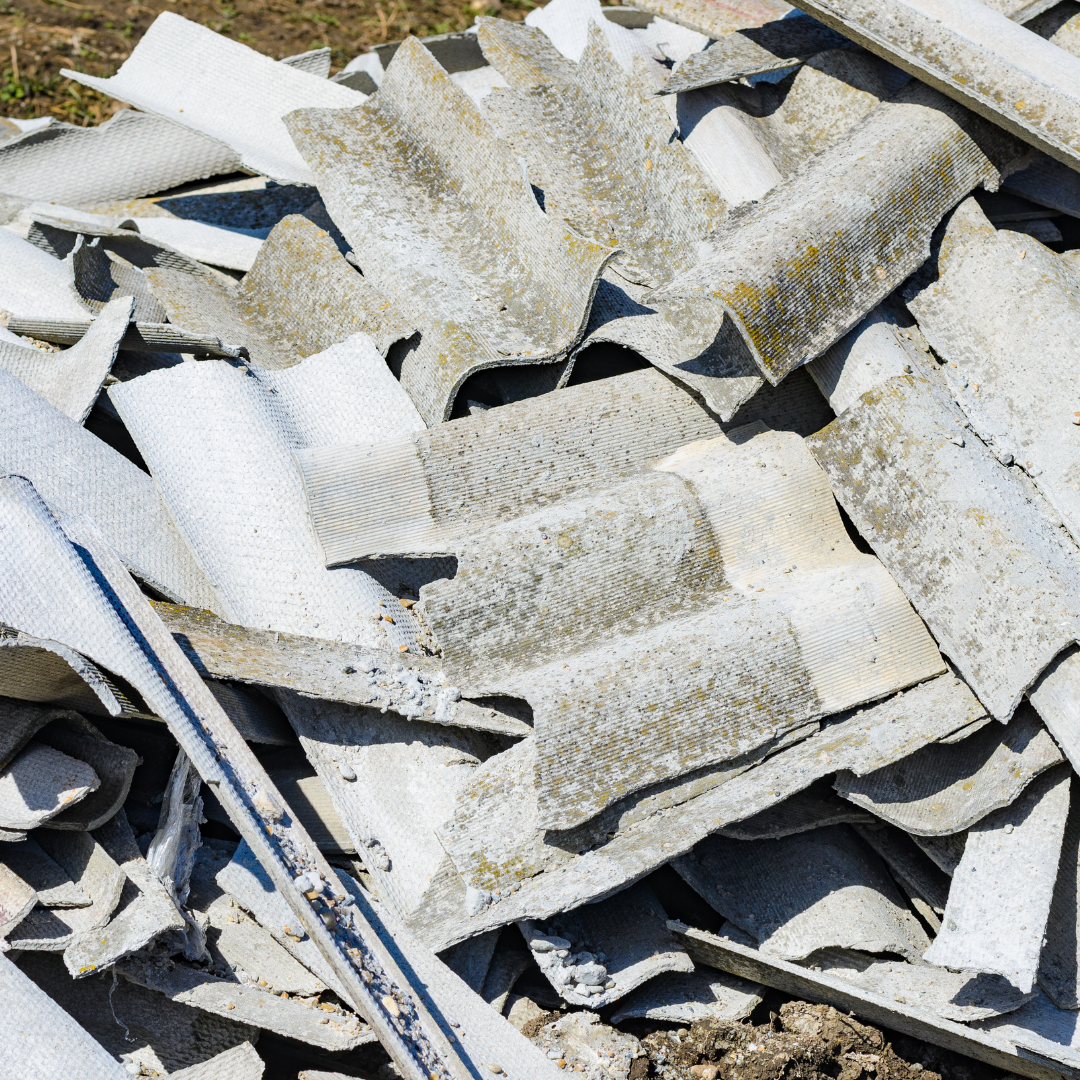
Yes. Waste containing asbestos is classified as hazardous waste.
Asbestos-containing roofing sheets, cladding and other asbestos materials require appropriate handling and disposal arrangements.
Asbestos must not be placed in an ordinary general waste skip.
Smart Environmental provides dedicated enclosed containers for agreed asbestos waste, together with collection, transport and hazardous waste consignment documentation.
For more information, read our Complete Guide to Asbestos Skip Hire or visit our Asbestos Skip Hire service page.
Is Soil Hazardous or Non-Hazardous?
Soil can be either hazardous or non-hazardous, depending on its composition and the results of an appropriate classification assessment.
Clean excavated soil may be suitable for collection as non-hazardous waste.
However, soil from previously developed or contaminated land may contain substances that require further investigation.
Examples include certain hydrocarbons, heavy metals and asbestos.
A laboratory report alone does not necessarily establish the correct waste classification. The results must be interpreted alongside the waste's source and the applicable classification rules.
Where contamination is suspected, the waste producer should establish the correct classification before arranging collection.
Can Hazardous and Non-Hazardous Waste Be Mixed Together?
Hazardous waste should not be mixed with non-hazardous waste as a way of simplifying collection or disposal.
Mixing can contaminate otherwise suitable materials, create additional risks and affect the classification of the resulting waste.
There are specific legal restrictions on mixing hazardous waste, including mixing different categories of hazardous waste and mixing hazardous waste with other waste or materials.
Businesses should establish suitable separation arrangements before work begins.
Our guide, What Is Waste Segregation and Why Does It Matter?, explains how separating waste streams can improve site organisation and support appropriate waste management.
Why Does Correct Waste Classification Matter?
Incorrect classification can have consequences for everyone involved in the waste's movement.
Incorrect Collection Arrangements
A container or vehicle may not be suitable for the material being collected.
Disposal Problems
The receiving facility may not be authorised to accept the waste.
Inaccurate Documentation
Waste transfer notes or consignment notes may contain incorrect descriptions or classification codes.
Additional Costs
Incorrectly described waste may require further assessment, segregation or alternative disposal arrangements.
Compliance Risks
Businesses have a responsibility to ensure their waste is correctly described and managed.
Correct classification should therefore take place before waste collection is arranged.
Who Is Responsible for Classifying Waste?
The waste producer or holder has responsibility for ensuring that waste is correctly classified and described.
A waste contractor may provide advice about the information needed for collection, but this does not remove the waste producer's responsibilities.
For example, a contractor removing materials from a building should establish whether those materials contain asbestos before arranging their disposal.
Likewise, a business arranging collection of potentially contaminated soil should ensure that the necessary assessment has been completed.
Providing accurate information to the waste collection company helps establish whether the waste can be accepted and what arrangements are required.
How Can Smart Environmental Help?
Smart Environmental provides waste collection services for construction, commercial and agricultural projects across Nottinghamshire, Derbyshire and surrounding areas.
Our services include:
- RoRo Skip Hire for suitable non-hazardous waste, including dedicated waste streams and mixed waste.
- Asbestos Skip Hire using enclosed containers for agreed asbestos-containing waste.
We can discuss your waste type, estimated quantity and project requirements to establish whether our services are suitable.
Where waste classification is uncertain, the correct information or assessment must be obtained before collection arrangements are confirmed.
Our service areas include Nottingham, Mansfield, Derby, Chesterfield, Newark and surrounding locations.
Need to Arrange Waste Collection?
Whether you're dealing with construction waste, commercial waste or asbestos-containing materials, identifying the waste correctly is the starting point for arranging suitable collection and disposal.
Contact Smart Environmental with details of your project, waste type and estimated quantity.
Call 01623 272 919 for a quotation.