What Is Waste Segregation and Why Does It Matter?
Waste segregation is an important part of managing waste efficiently, particularly on construction sites, demolition projects and commercial premises.
Separating different materials at the point where they are produced can make waste easier to manage, improve opportunities for recycling and potentially reduce disposal costs.
At Smart Environmental, we provide waste collection services for construction, commercial and agricultural projects across Nottinghamshire, Derbyshire and surrounding areas.
In this guide, we'll explain what waste segregation means, why it matters and how businesses can introduce a practical approach to separating their waste.
What Is Waste Segregation?
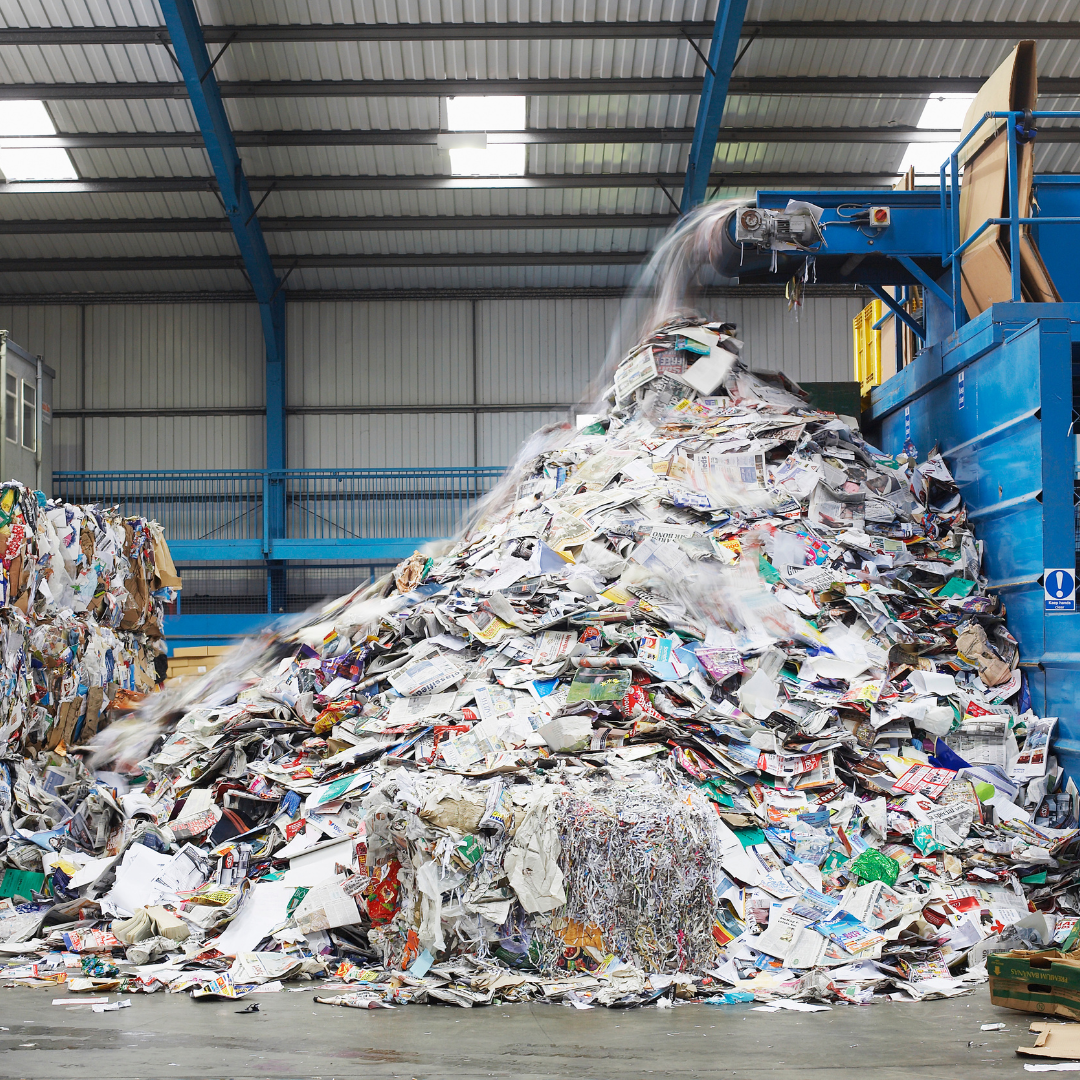
Waste segregation simply means keeping different types of waste separate rather than placing everything into one mixed waste container.
For example, a construction project might produce timber, scrap metal, brick, concrete and general waste.
Instead of combining all these materials, the site could use separate containers for the main waste streams.
This makes it easier to identify, collect and direct each material towards an appropriate recycling, recovery or disposal route.
Waste segregation doesn't necessarily mean having a separate skip for every individual material. The most suitable arrangement depends on the quantities produced, available space and waste collection requirements.
Why Is Waste Segregation Important?
There are several practical reasons why businesses should consider separating their waste.
1. It Can Reduce Waste Disposal Costs
Mixed waste may require additional sorting and processing after collection.
Where a business produces substantial quantities of a particular material, collecting it separately can sometimes be more cost-effective.
For example, a dedicated container for suitable wood or metal may attract different disposal charges from a mixed waste skip.
However, separate collections aren't automatically cheaper in every situation.
The total cost will depend on the quantity of waste, number of containers, collection frequency and available disposal routes.
2. It Can Improve Recycling Opportunities
When materials are mixed together, they can become contaminated or more difficult to recover.
Keeping suitable waste streams separate can make it easier for waste facilities to direct materials towards appropriate recycling and recovery processes.
This is particularly relevant for materials such as wood and metal.
3. It Can Improve Site Organisation
Clearly identified waste containers can help workers understand where different materials should be placed.
This can reduce confusion, prevent unnecessary mixing and make waste storage areas easier to manage.
4. It Can Support Waste Compliance
Businesses have legal responsibilities for the waste they produce and transfer.
Correctly identifying and describing waste is an important part of meeting those responsibilities.
Segregation can make it easier to maintain accurate waste descriptions and prevent incompatible or unsuitable materials from being mixed together.
For official guidance on business waste responsibilities, see the GOV.UK Waste Duty of Care Code of Practice.
What Types of Waste Can Be Segregated?
The appropriate waste streams will depend on the activities taking place.
Common examples include the following.
Wood
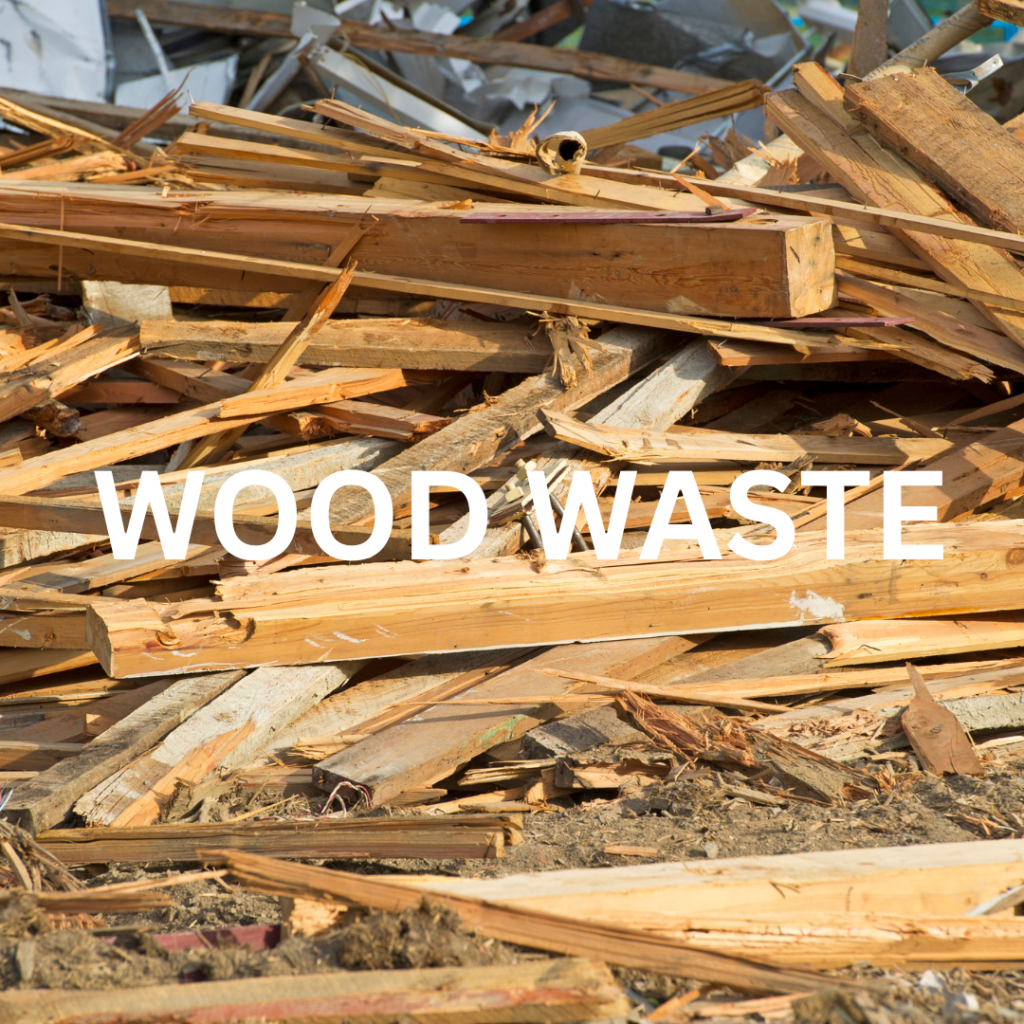
Suitable timber, pallets and wooden packaging can be collected separately where sufficient quantities are produced.
Metal
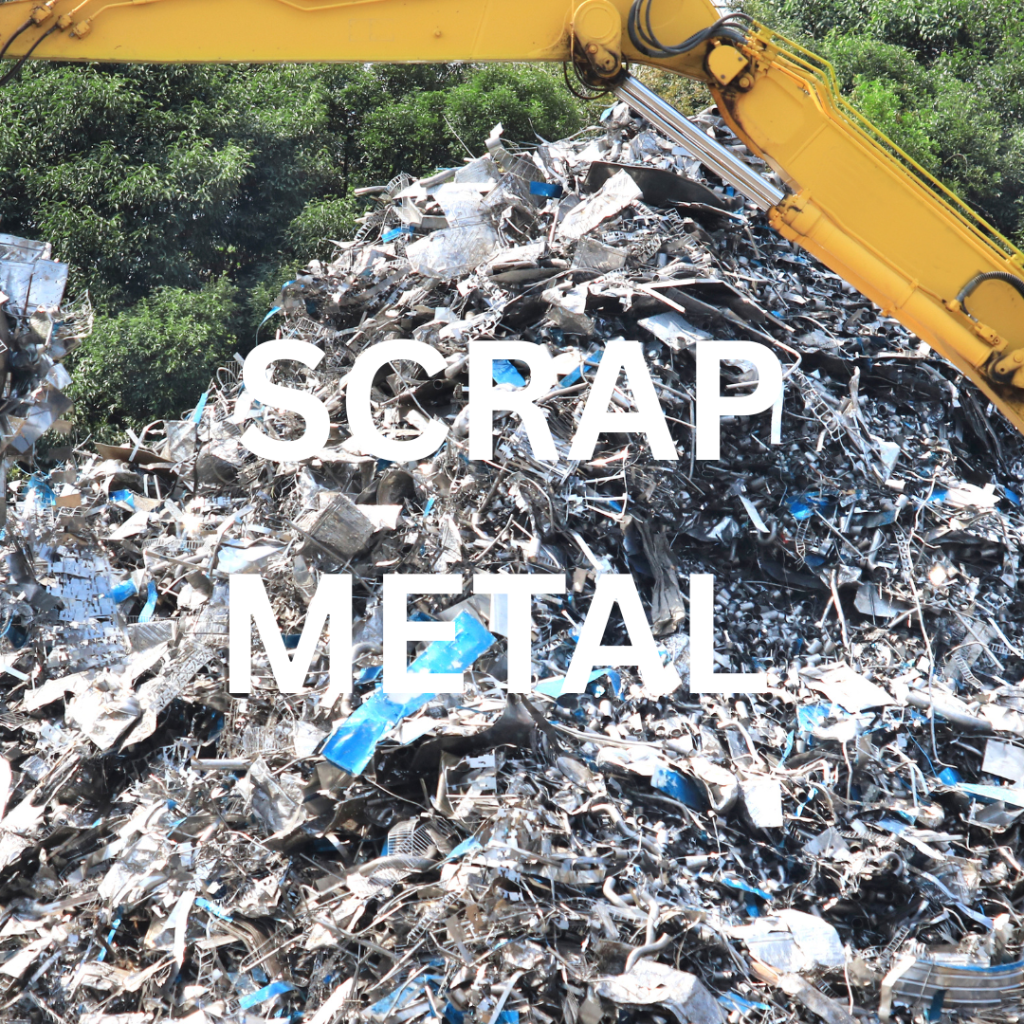
Scrap metal and suitable metal offcuts can be kept separate from general waste to support recovery and recycling.
Hardcore and Rubble
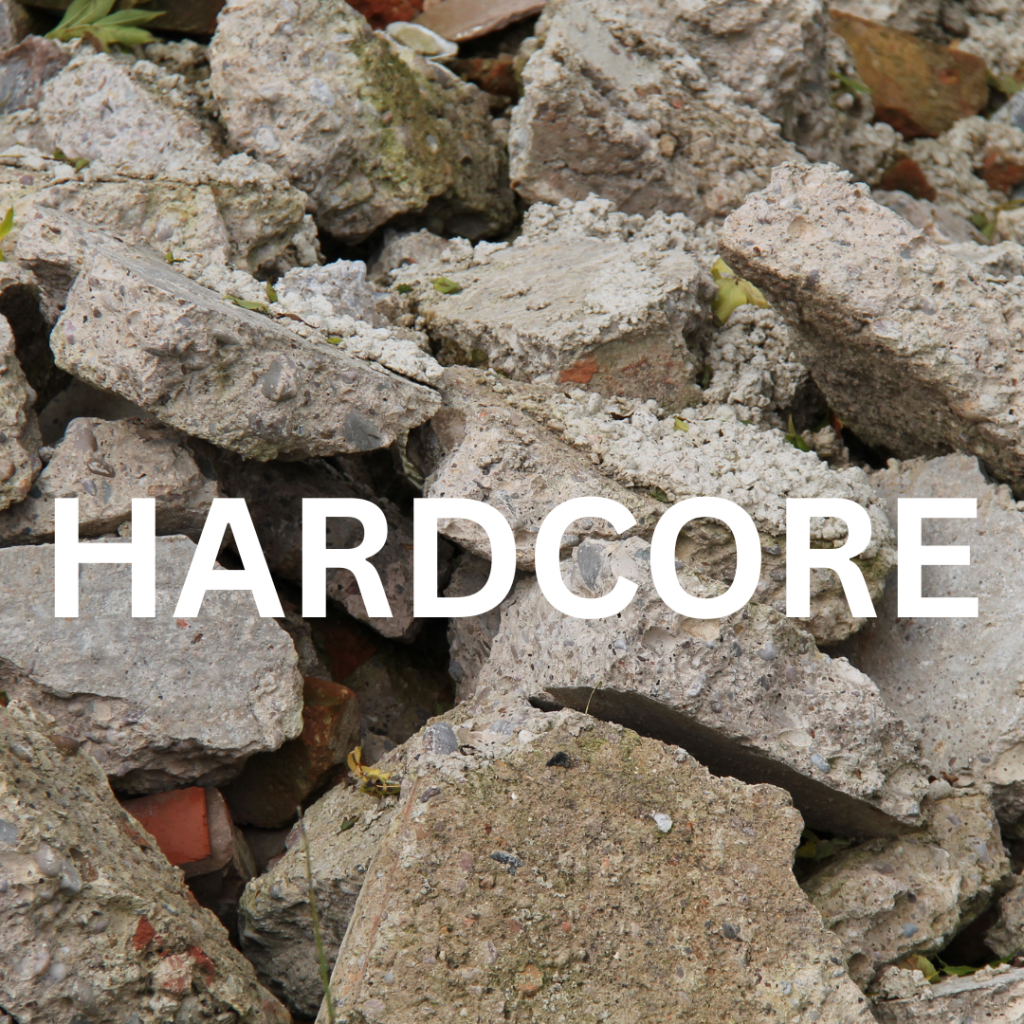
Suitable brick, concrete and masonry can be collected as a dedicated waste stream, subject to correct classification and container loading limits.
Green Waste
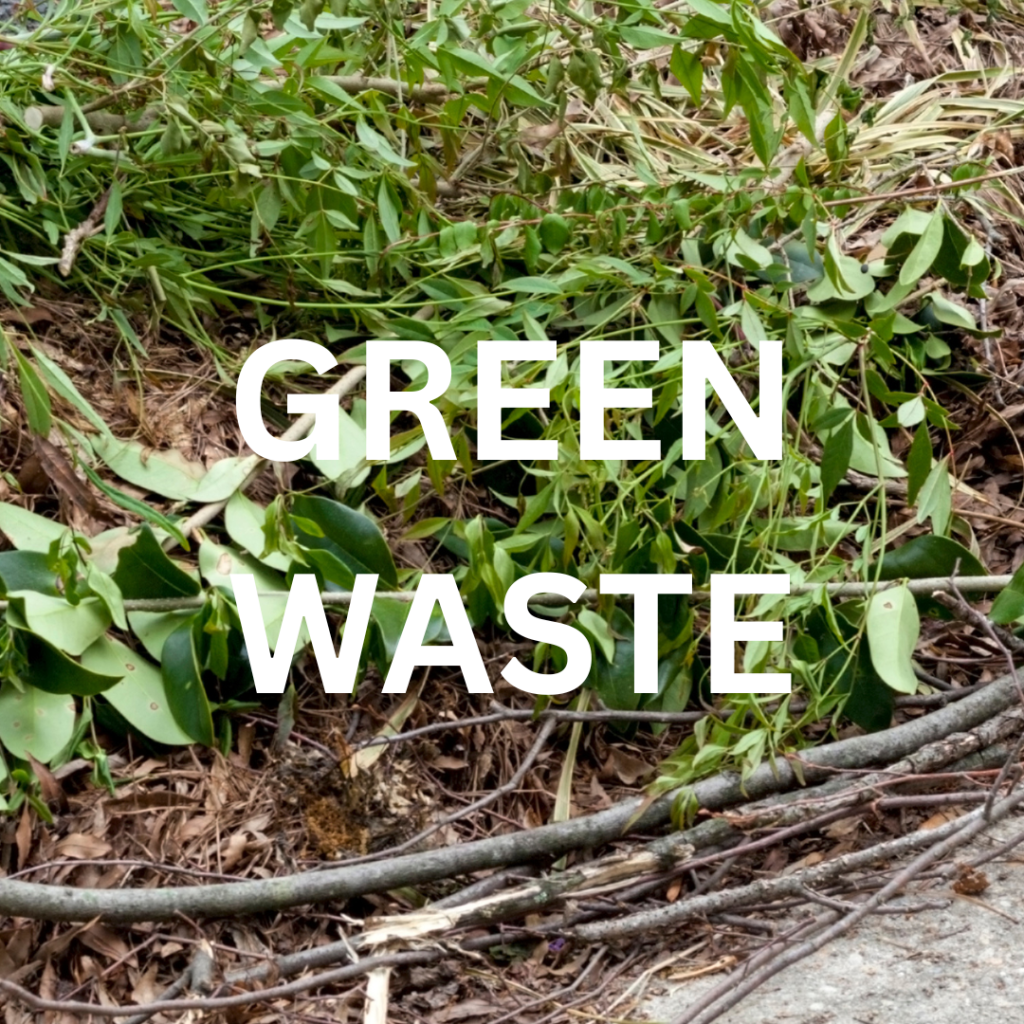
Vegetation, branches and other suitable landscaping waste can be separated from construction and commercial waste.
General Mixed Waste
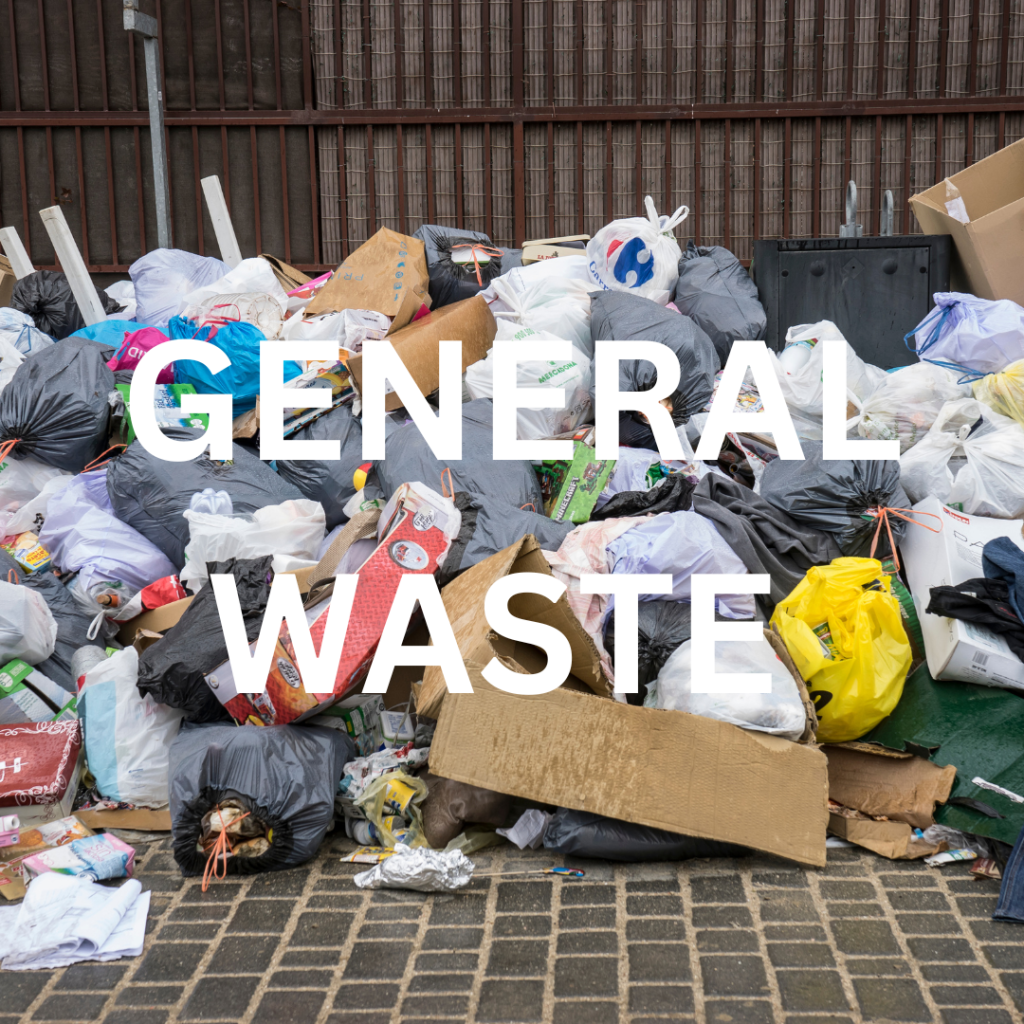
Some projects will still generate materials that cannot practically be separated into individual waste streams.
A mixed waste container can provide a solution for suitable agreed materials.
For more information about individual waste streams, read What Can You Put in a RoRo Skip?
How Can Businesses Introduce Waste Segregation?
A successful approach doesn't need to be complicated.
The starting point is understanding what waste your business produces and which materials account for the largest quantities.
Identify Your Main Waste Streams
Look at the activities taking place and the materials being discarded.
For example, a roofing project might produce timber, metal and general waste.
A demolition project may generate significant quantities of brick and concrete.
Identifying the main waste streams will help determine whether dedicated containers are worthwhile.
Provide Suitable Containers
Once the main waste streams have been identified, arrange appropriate containers for the materials being produced.
These should be positioned where they can be used safely and conveniently.
Smart Environmental can discuss dedicated and mixed waste containers through our RoRo Skip Hire service.
Make the Containers Easy to Identify
Clearly identifying each container can help prevent materials from being placed in the wrong skip.
Simple signs indicating the agreed waste type may be sufficient.
Explain the Arrangements to Workers
Workers and contractors should understand which materials belong in each container.
A brief explanation during site induction or a toolbox talk can help establish consistent waste management practices.
Check the Containers Regularly
Waste storage areas should be monitored to identify contamination, incorrect disposal or overloading.
If materials are repeatedly being placed in the wrong container, review the arrangements and make improvements where necessary.
Does Waste Segregation Always Require Multiple Skips?
No.
Using several containers may be practical for larger projects, but smaller sites may have limited space or produce insufficient quantities to justify separate collections.
For example, a project producing a substantial quantity of timber may benefit from a dedicated wood skip.
However, if the same project produces only a small amount of several other suitable waste types, a mixed waste container may be more practical for those materials.
The aim is to establish a waste management arrangement that suits the project rather than introducing unnecessary containers.
What Happens if Waste Is Put in the Wrong Container?
Incorrectly placing waste in a dedicated container can cause contamination and affect how the load is handled.
It may also result in additional sorting, increased disposal charges or problems with waste acceptance.
Hazardous waste must not be added to an ordinary mixed waste skip.
For example, asbestos requires separate handling, transport and disposal arrangements.
If your project generates asbestos waste, visit our Asbestos Skip Hire page for information about our dedicated enclosed containers.
What Are the Legal Responsibilities for Waste Segregation?
Businesses must manage their waste in accordance with applicable waste legislation.
In England, the waste duty of care requires businesses to take reasonable steps to manage waste correctly, prevent its escape and transfer it only to authorised persons.
Waste must also be accurately described when transferred.
Additional separation requirements can apply to particular waste streams and business activities, so businesses should establish which rules apply to their operations.
The GOV.UK Waste Duty of Care Code of Practice provides further information about these responsibilities.
For guidance on classifying waste, refer to the Environment Agency's Waste Classification Technical Guidance (WM3).
Can Waste Segregation Help Reduce Your Environmental Impact?
Separating suitable materials can make it easier to direct them towards recycling and recovery.
It can also reduce contamination that might otherwise limit the options available for processing the waste.
However, segregation alone doesn't guarantee that every material will be recycled.
The final treatment route depends on the material, its condition and the facilities available to accept it.
Businesses should therefore focus on accurate waste identification, suitable separation and using authorised waste providers.
How Can Smart Environmental Help?
Smart Environmental provides RoRo skip hire for construction, commercial, demolition and agricultural projects.
We can supply dedicated containers for suitable waste streams or mixed waste skips where segregation isn't practical.
By discussing your expected waste quantities and project requirements, we can help identify a suitable collection arrangement.
Our service areas include Nottingham, Mansfield, Derby, Chesterfield, Newark and surrounding areas.
For more information, visit our RoRo Skip Hire page.
Need Help Managing Your Waste?
If your project produces several different waste streams, it may be worth considering whether dedicated skips could offer a more practical or cost-effective solution.
Contact Smart Environmental to discuss your waste types, estimated quantities and collection requirements.
Call 01623 272 919 for a quotation.