What Can You Put in a RoRo Skip? A Guide to RoRo Skip Waste Types
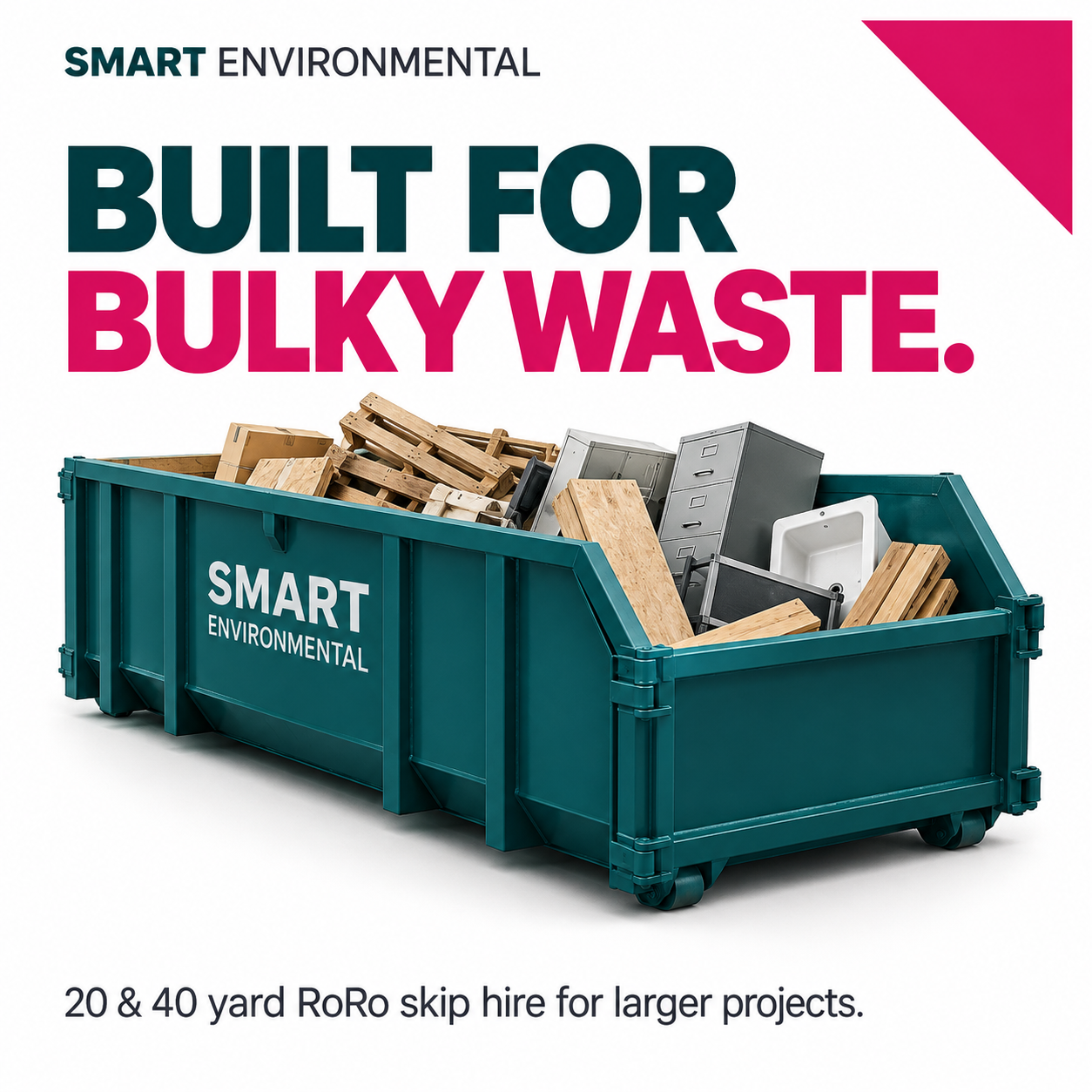
RoRo skips are designed for large volumes of waste, but that doesn't mean every type of waste can simply be thrown into the same container.
The materials you're disposing of can affect the size of skip you need, how the skip should be loaded and how the waste is handled once collected.
At Smart Environmental, we provide RoRo skips for a range of commercial, construction, demolition and agricultural waste streams across Nottinghamshire, Derbyshire and surrounding areas.
In this guide, we'll explain what you can put in a RoRo skip, when waste should be separated and which materials require different disposal arrangements.
For information about our available containers, visit our RoRo Skip Hire page.
What Waste Can Go in a RoRo Skip?
RoRo skips can be used for many common waste streams, including wood, metal, green waste, mixed waste, hardcore, soil, rubble and suitable inert waste.
However, the type of waste must be agreed before the skip is delivered.
This is important because different materials have different weights and disposal requirements. The right container for bulky timber waste, for example, may not be appropriate for several tonnes of soil or concrete.
Let's look at the main waste types individually.
Wood Waste
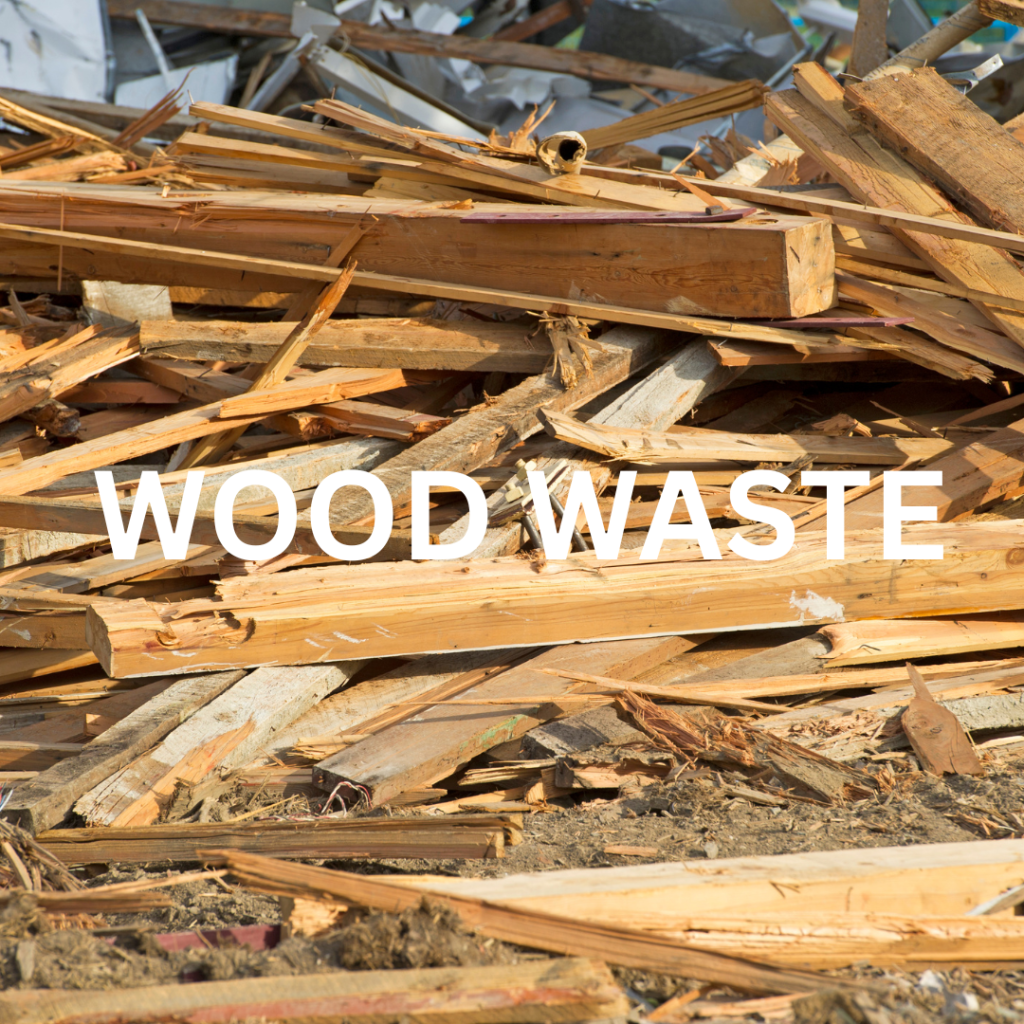
RoRo skips can be an excellent option for projects generating large quantities of suitable wood waste.
This may include:
- Timber offcuts.
- Pallets.
- Wooden packaging.
- Suitable construction timber.
- Wood generated during building or clearance projects.
Where sufficient quantities are being produced, a dedicated wood skip can be a better option than placing timber into mixed waste.
Keeping wood separate can make subsequent sorting and recovery easier and may also reduce disposal costs compared with mixed waste.
Metal Waste
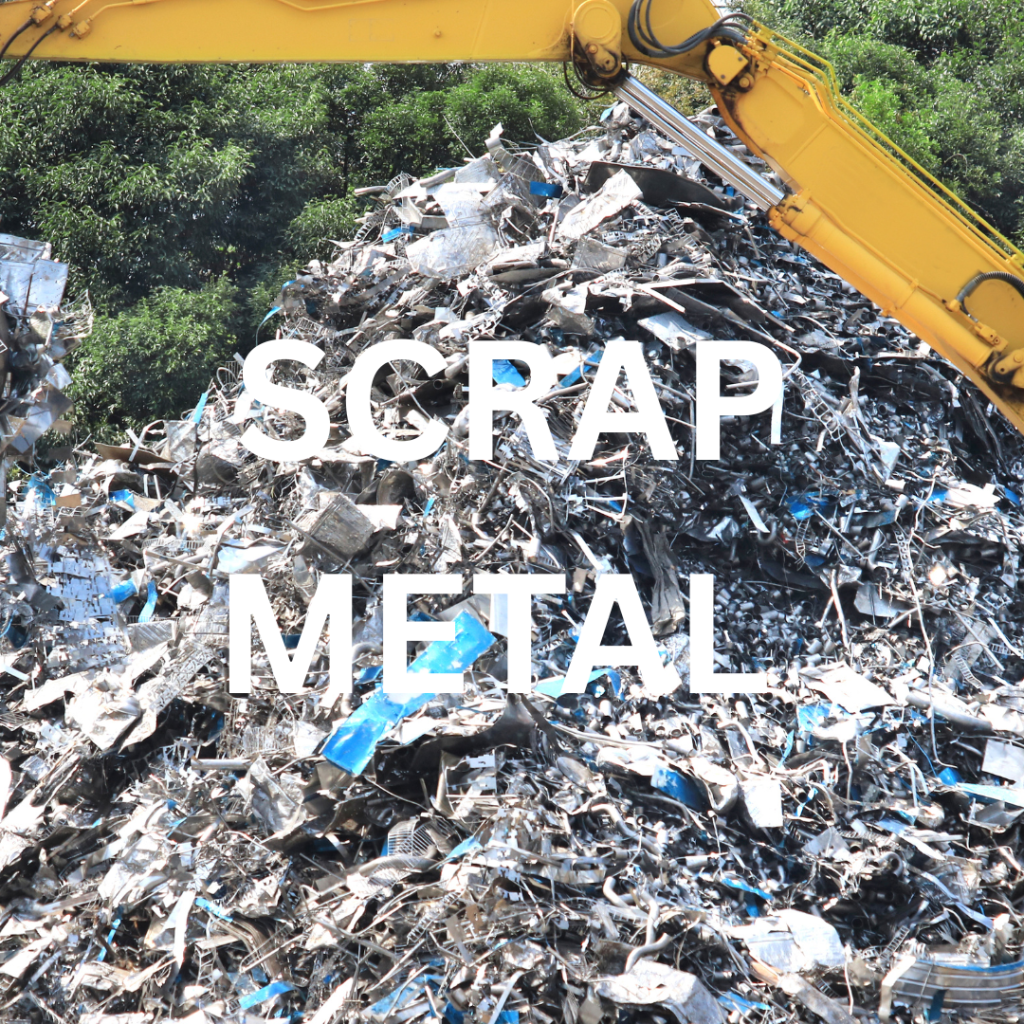
Dedicated RoRo skips can be supplied for suitable metal waste.
This may include:
- Scrap metal.
- Metal offcuts.
- Suitable construction metal.
- Metal generated during demolition or refurbishment work.
Metal is a valuable recyclable waste stream, so keeping it separate from general waste can make sense both practically and financially.
If you're producing a significant quantity of metal, tell us before booking rather than automatically putting it into a mixed waste skip.
Green Waste
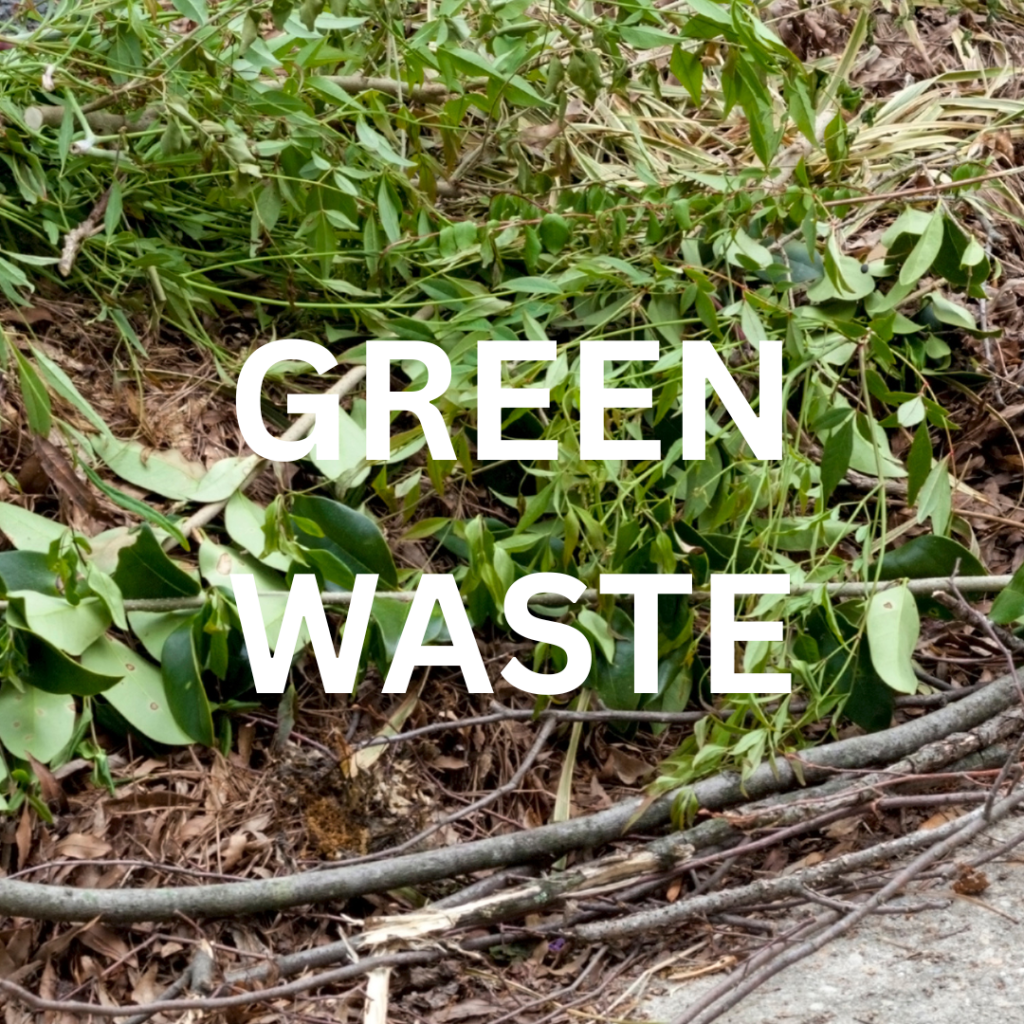
RoRo skips can also be used for suitable green waste from landscaping, grounds maintenance and clearance projects.
Examples may include:
- Branches.
- Hedge cuttings.
- Plants and vegetation.
- Other agreed green waste.
Keeping green waste separate helps prevent it becoming contaminated with general construction or commercial waste.
If your project is producing a substantial amount of green waste, a dedicated container may therefore be the better option.
Hardcore
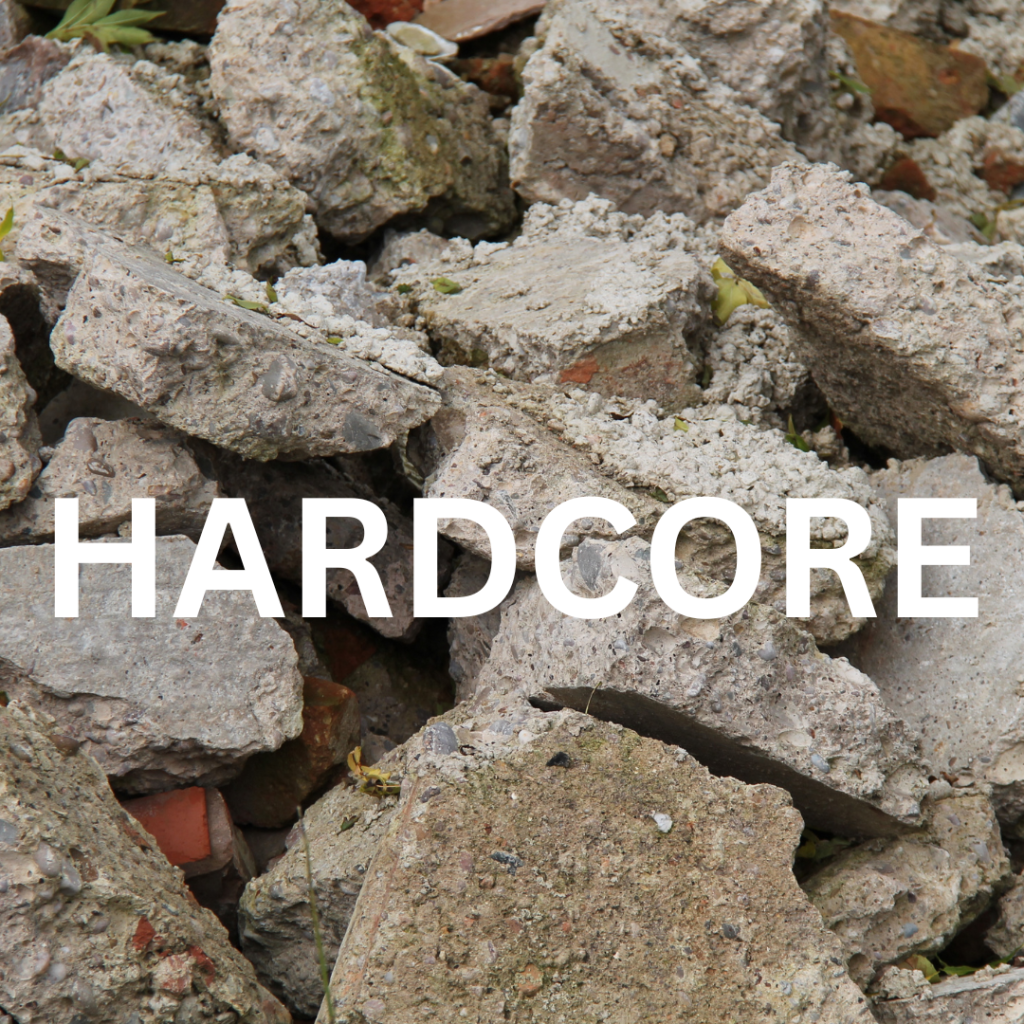
Hardcore is a heavy waste stream and needs to be treated differently from lightweight bulky waste.
Suitable hardcore may include agreed materials such as:
- Brick.
- Concrete.
- Masonry.
- Other suitable hard construction materials.
Because these materials are dense and heavy, the weight of the load is particularly important.
Our 20-yard RoRo skips can be used for suitable heavy waste, subject to agreed loading and weight limits.
Hardcore must not be placed in our 40-yard RoRo skips.
For more information about choosing between the two container sizes, see our 20 Yard vs 40 Yard RoRo Skips: Which Size Do You Need? guide.
Soil
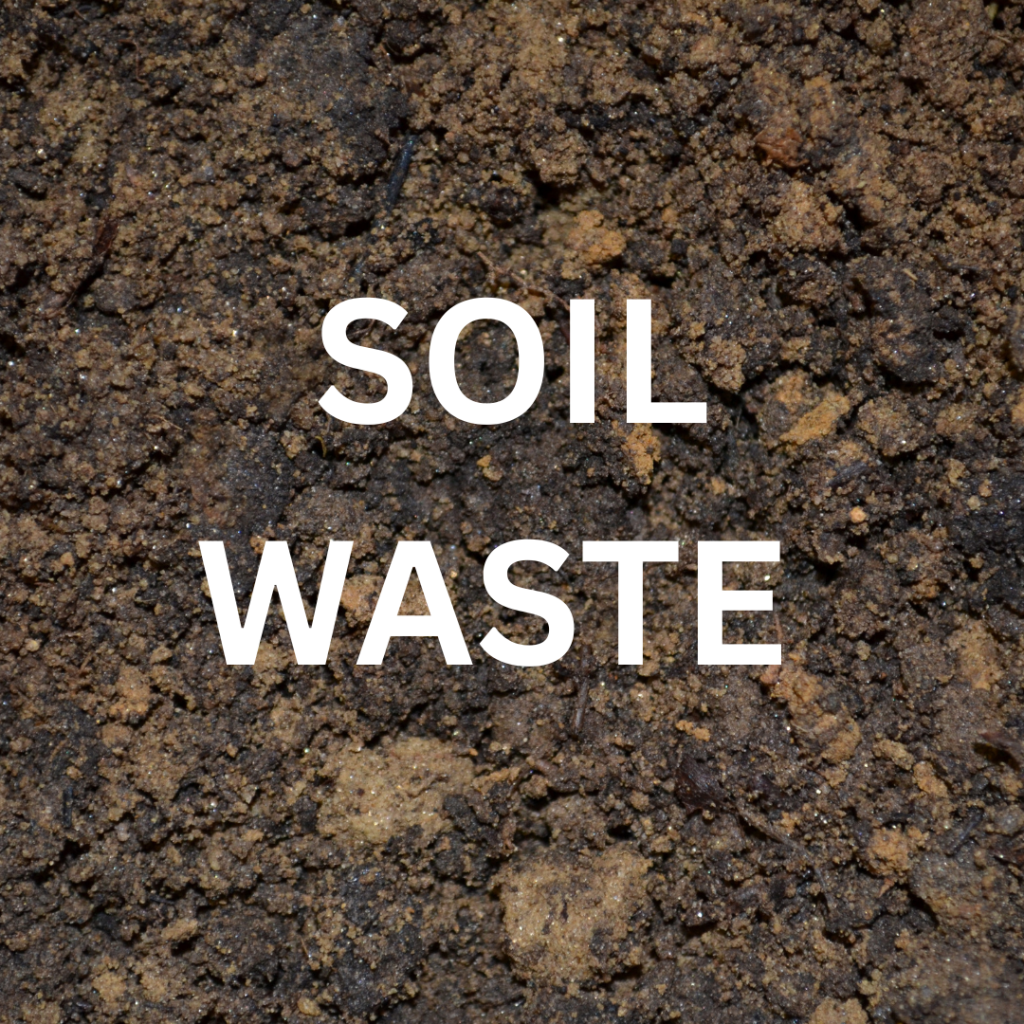
Suitable soil can be collected using an appropriate RoRo skip, but soil requires a little more thought than simply deciding that it came out of the ground, therefore it must be fine. Waste regulations, naturally, prefer things to be less convenient than that.
The source and nature of the soil need to be considered.
Soil should not automatically be assumed to be clean or inert simply because there is no obvious contamination.
Depending on where it has come from and its history, further information or assessment may be required before it can be accepted.
Because soil is also extremely heavy, it must be placed in an appropriate container and remain within agreed loading limits.
Soil must not be placed in our 40-yard RoRo skips.
Rubble
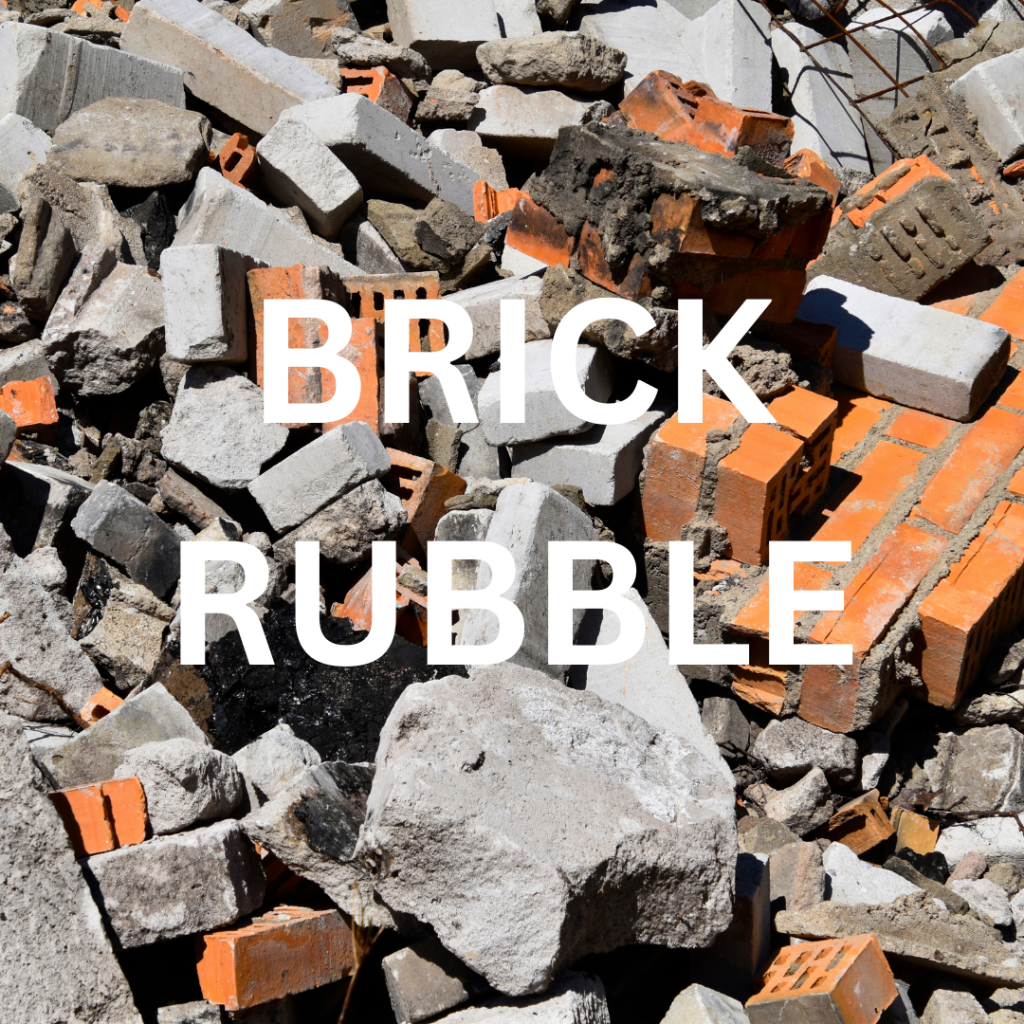
RoRo skips can be used for suitable rubble generated during construction and demolition projects.
This may include agreed materials such as:
- Brick.
- Blocks.
- Concrete.
- Masonry.
- Suitable demolition rubble.
As with hardcore and soil, rubble can become extremely heavy.
The container may therefore reach its permitted weight before it reaches its physical volume capacity.
Suitable heavy rubble can be carried in our 20-yard RoRo skips subject to agreed loading limits.
Rubble must not be placed in our 40-yard RoRo skips.
Inert Waste
The term "inert waste" is sometimes used rather loosely, but it has a specific meaning in waste management.
Certain uncontaminated materials such as suitable brick, concrete and stone may meet the requirements for inert waste.
However, not every load of construction or demolition waste is automatically inert.
The waste needs to be correctly identified and classified.
For official guidance on waste classification, see the Environment Agency and GOV.UK Waste Classification Technical Guidance (WM3).
External link:
Waste Classification Technical Guidance (WM3)
Mixed Waste
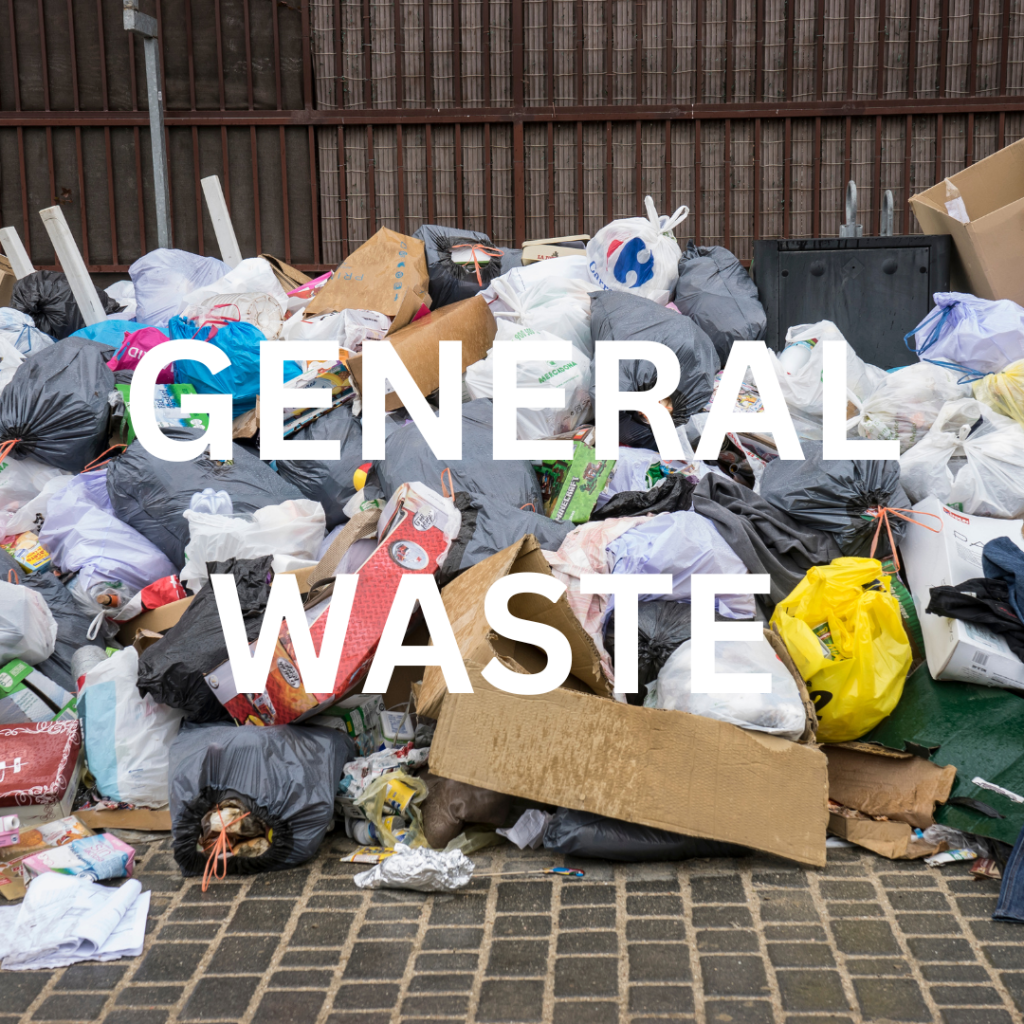
Not every site has enough space, time or waste volume to justify separate containers.
A mixed waste RoRo skip can therefore be used for a combination of suitable agreed materials where segregation isn't practical.
This can be particularly useful for construction, commercial and clearance projects producing smaller quantities of several different waste streams.
However, there is an important financial consideration.
Is Mixed Waste More Expensive?
It can be.
Mixed waste generally requires additional sorting and processing after collection.
Where a project produces sufficient quantities of individual materials, using dedicated waste skips can often be more cost-effective.
For example, instead of putting wood, metal and general waste into one mixed container, it may make sense to separate the larger waste streams.
That decision depends on the amount of waste you're producing, the space available on site and the costs associated with each waste stream.
Is It Better to Separate Waste?
Where practical, separating waste at source can offer several advantages.
It Can Reduce Disposal Costs
Certain segregated waste streams may be cheaper to process than mixed waste.
This doesn't mean separate skips will always be cheaper. The quantities involved, number of containers and collection requirements all need to be considered.
It Can Improve Recycling and Recovery
Keeping materials separate reduces contamination and can make suitable waste easier to recycle or recover.
It Can Make Site Waste Management Easier
Dedicated containers provide a clear location for different materials.
For a larger construction or demolition project, you might have separate containers for wood, metal, hardcore and general mixed waste.
It Can Reduce Unnecessary Sorting
Once different materials have been mixed together, they may need to be separated again during processing.
Separating suitable waste at the point where it is produced can avoid some of that additional handling.
What Cannot Go in a General Waste RoRo Skip?
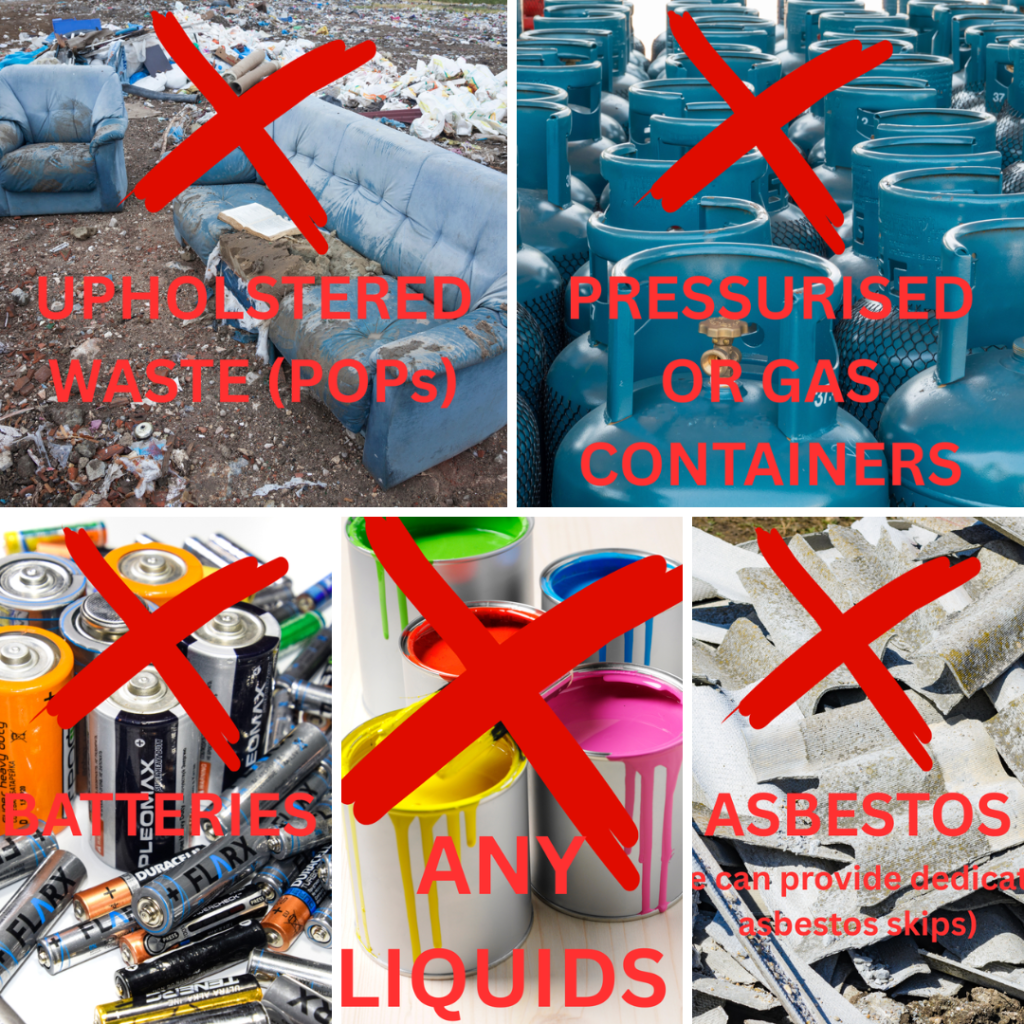
Some waste requires separate handling and must not be placed in a general waste RoRo skip.
This includes certain hazardous and specialist waste streams.
Examples include:
- Asbestos.
- Hazardous chemicals.
- Oils and liquids.
- Gas cylinders and pressurised containers.
- Batteries.
- Certain electrical equipment.
- Other hazardous or specialist waste.
This isn't an exhaustive list.
If you're unsure about a material, check with us before putting it into the skip.
It's considerably easier to confirm whether we can accept something beforehand than discover an unsuitable material when the container is being collected.
Can Asbestos Go in a RoRo Skip?
Asbestos must not be placed in a general waste RoRo skip.
Asbestos waste requires separate containment, transport, documentation and disposal arrangements.
Smart Environmental provides dedicated Asbestos Skip Hire using enclosed containers specifically for agreed asbestos waste.
Our asbestos skip service is separate from our general RoRo skip hire service.
We can provide enclosed asbestos skips for commercial, construction, roofing and agricultural projects, with hazardous waste consignment documentation provided as required.
You can find further information on our Asbestos Skip Hire page.
What About Plasterboard?
Plasterboard should be identified before arranging your skip rather than simply being added to a general load without discussion.
Waste containing gypsum is subject to specific disposal requirements and may need to be kept separate from other waste depending on the disposal route.
If your project will generate plasterboard or other gypsum-based materials, tell us when requesting your quotation so we can advise on the appropriate arrangement.
Official guidance on disposing of gypsum waste is available from GOV.UK.
External link:
Disposing of Gypsum Waste
Why Does the Type of Waste Matter When Choosing a RoRo Skip?
The physical size of the waste isn't the only consideration.
Weight matters just as much as volume.
A 40-yard RoRo skip provides substantially more volume than a 20-yard skip, but that doesn't make it suitable for heavy waste.
Heavy Waste
Materials such as soil, hardcore, concrete and rubble can reach vehicle and container weight limits very quickly.
For suitable heavy waste, we use an appropriate 20-yard container subject to agreed loading limits.
Lightweight Bulky Waste
A 40-yard RoRo skip is designed for larger volumes of lighter waste.
This can make it suitable for materials that occupy substantial space without creating the same weight as soil, concrete or rubble.
For a more detailed comparison of the two sizes, read our 20 Yard vs 40 Yard RoRo Skips: Which Size Do You Need? guide.
Do Businesses Have a Duty of Care for Their Waste?
Yes.
Businesses that produce, store, transport or dispose of waste have legal responsibilities for managing it correctly.
This includes taking reasonable steps to prevent waste escaping, transferring it only to authorised persons and providing an accurate written description when waste is transferred.
The government's Waste Duty of Care Code of Practice provides guidance for businesses producing or handling waste.
External link:
Waste Duty of Care Code of Practice
When we collect non-hazardous waste, the appropriate waste transfer documentation is provided as part of the waste movement.
Not Sure Which Waste Stream You Need?
You don't need to know every waste classification before contacting us.
Tell us:
- What work you're carrying out.
- What materials you're disposing of.
- Approximately how much waste you're expecting.
- Whether different materials can be kept separate.
- Where the skip needs to be delivered.
We can then discuss the appropriate container and waste arrangement for your project.
If you're producing several waste streams, we can also discuss whether dedicated containers could be more cost-effective than putting everything into mixed waste.
RoRo Skip Hire Across Nottinghamshire and Derbyshire
Smart Environmental provides RoRo skip hire for construction, demolition, commercial and agricultural projects across Nottinghamshire, Derbyshire and surrounding areas.
Our main service areas include:
- RoRo Skip Hire Nottingham
- RoRo Skip Hire Mansfield
- RoRo Skip Hire Derby
- RoRo Skip Hire Chesterfield
- RoRo Skip Hire Newark
We also cover surrounding areas, so contact us if your project is outside one of the locations listed above.
Need a RoRo Skip for Your Waste?
Whether you're disposing of wood, metal, green waste, hardcore, soil, rubble or mixed waste, choosing the right container and waste stream can make your project easier to manage.
Smart Environmental can help you decide whether you need a 20 or 40-yard RoRo skip and whether separating your waste could provide a more cost-effective solution.
Visit our RoRo Skip Hire page or call 01623 272 919 to discuss your requirements and request a quotation.