
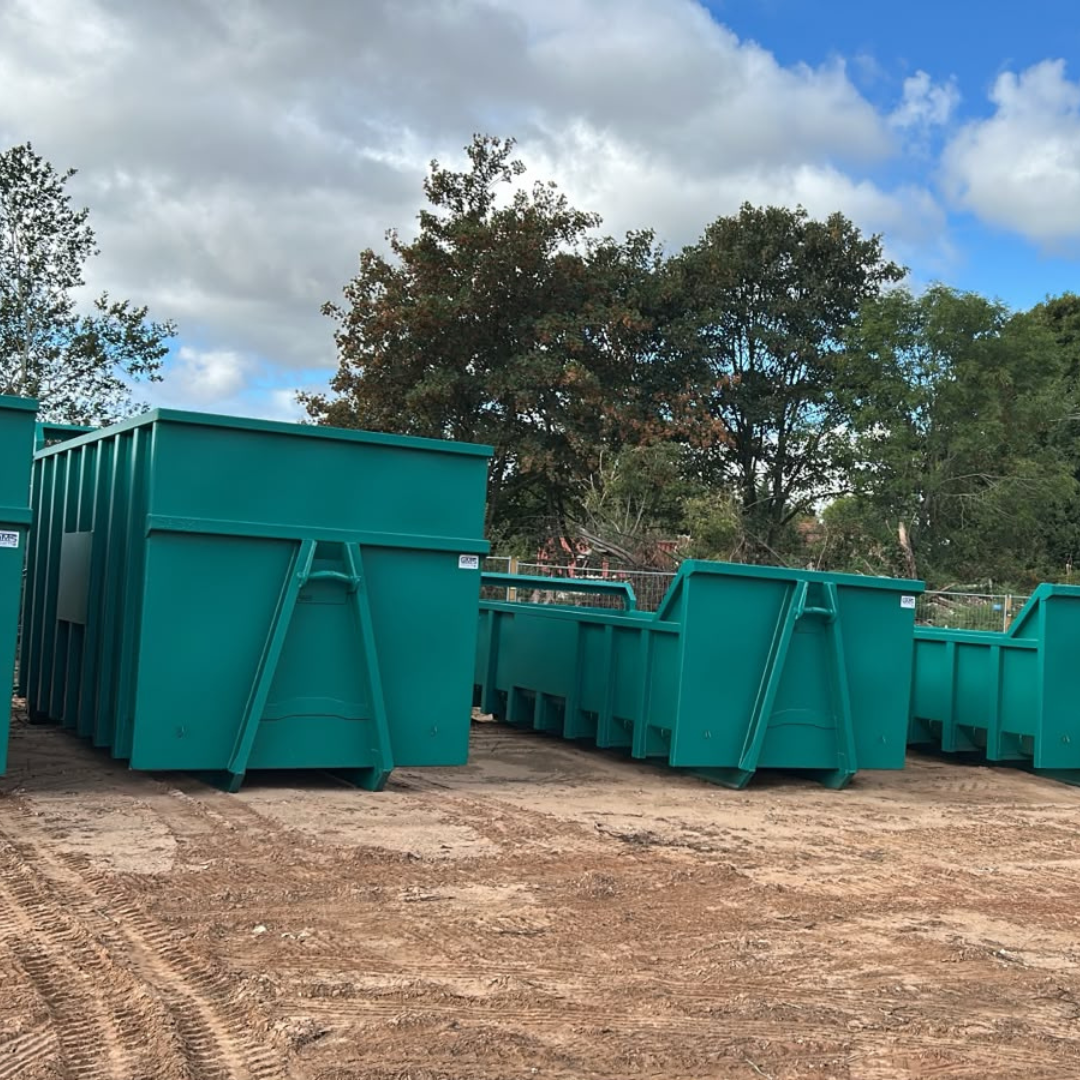
20 Yard vs 40 Yard RoRo Skips: Which Size Do You Need?
Choosing the right RoRo skip size can help keep your project running smoothly and avoid unnecessary collections.
If you choose a container that's too small, it may fill up before your work is finished. Choose one that's larger than you need, and you could end up paying for capacity you never use.
At Smart Environmental, we supply 20 and 40-yard roll-on roll-off (RoRo) skips for construction, commercial and clearance projects across Nottinghamshire, Derbyshire and surrounding areas.
So, how do you decide which size is right for your project?
Understanding the Difference Between 20 and 40-Yard Skips
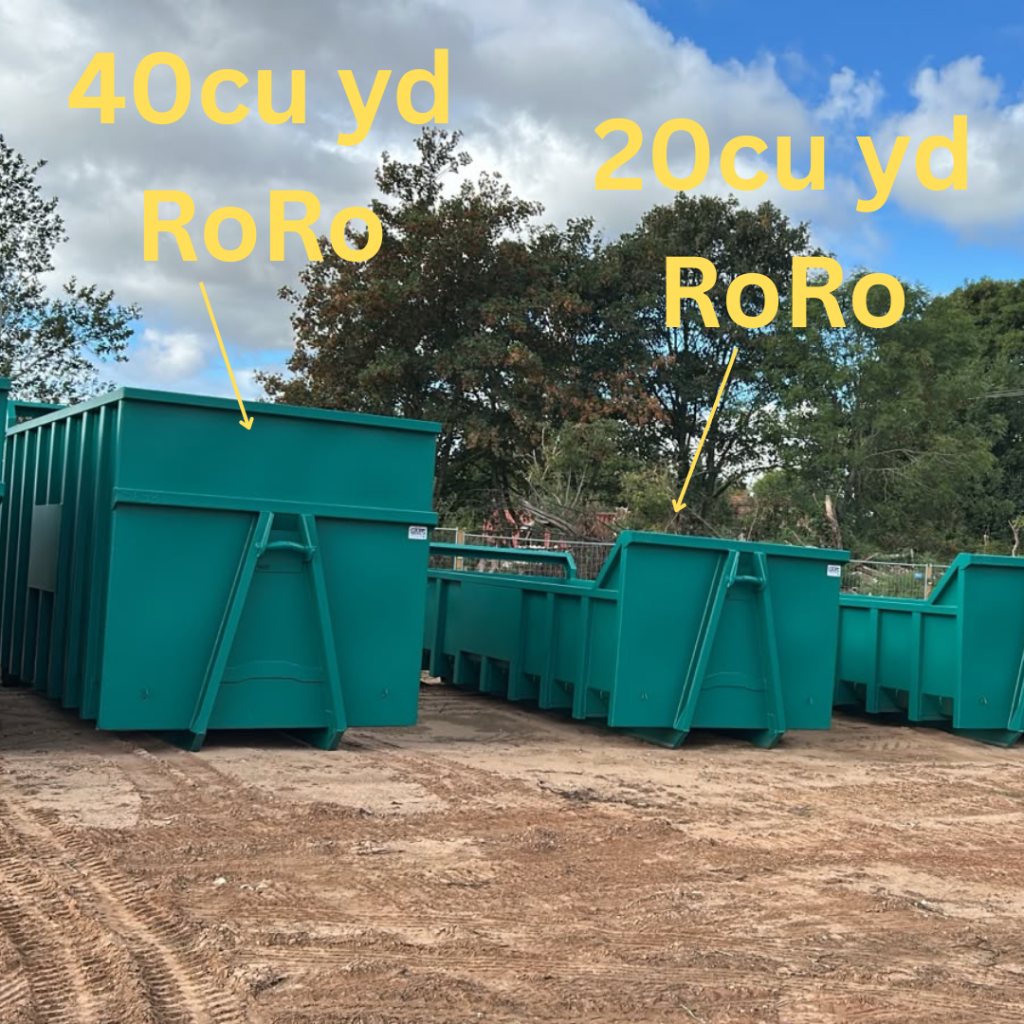
The numbers refer to the internal volume of the containers, measured in cubic yards.
A 40-yard RoRo skip offers approximately twice the volume of a 20-yard skip, but that doesn't necessarily mean it's the better choice.
The key is to consider how much waste your project will generate, how quickly it will accumulate and whether your site has enough space for the container.
Our RoRo Skip Hire page provides an overview of the containers we supply.
When Might a 20-Yard RoRo Skip Be Suitable?
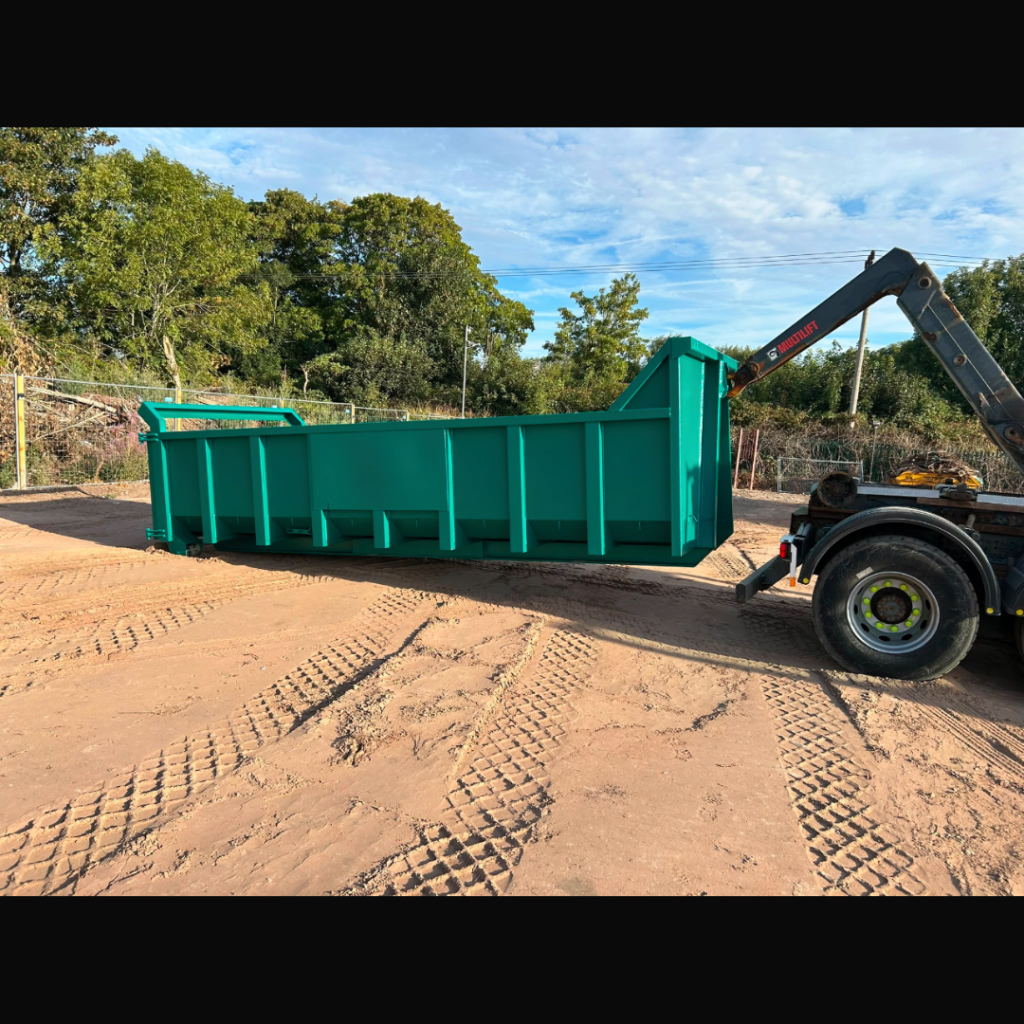
A 20-yard RoRo skip can be a practical choice for projects that need substantial waste capacity without requiring our largest container.
It may be suitable for:
- Building refurbishments.
- Smaller demolition projects.
- Construction work generating moderate volumes of waste.
- Commercial clearances.
- Projects with limited space for waste storage.
A 20-yard skip can also accommodate suitable heavier materials, subject to agreed weight and loading limits.
Why Choose a 20-Yard Skip?
The main advantage is that it provides substantial capacity in a container with a lower profile than a 40-yard skip.
This can be useful where overhead clearance is a consideration or where the project doesn't generate enough waste to justify a larger container.
It may also be easier to accommodate on certain sites, although both sizes require suitable access for a large delivery vehicle.
When Might a 40-Yard RoRo Skip Be Suitable?
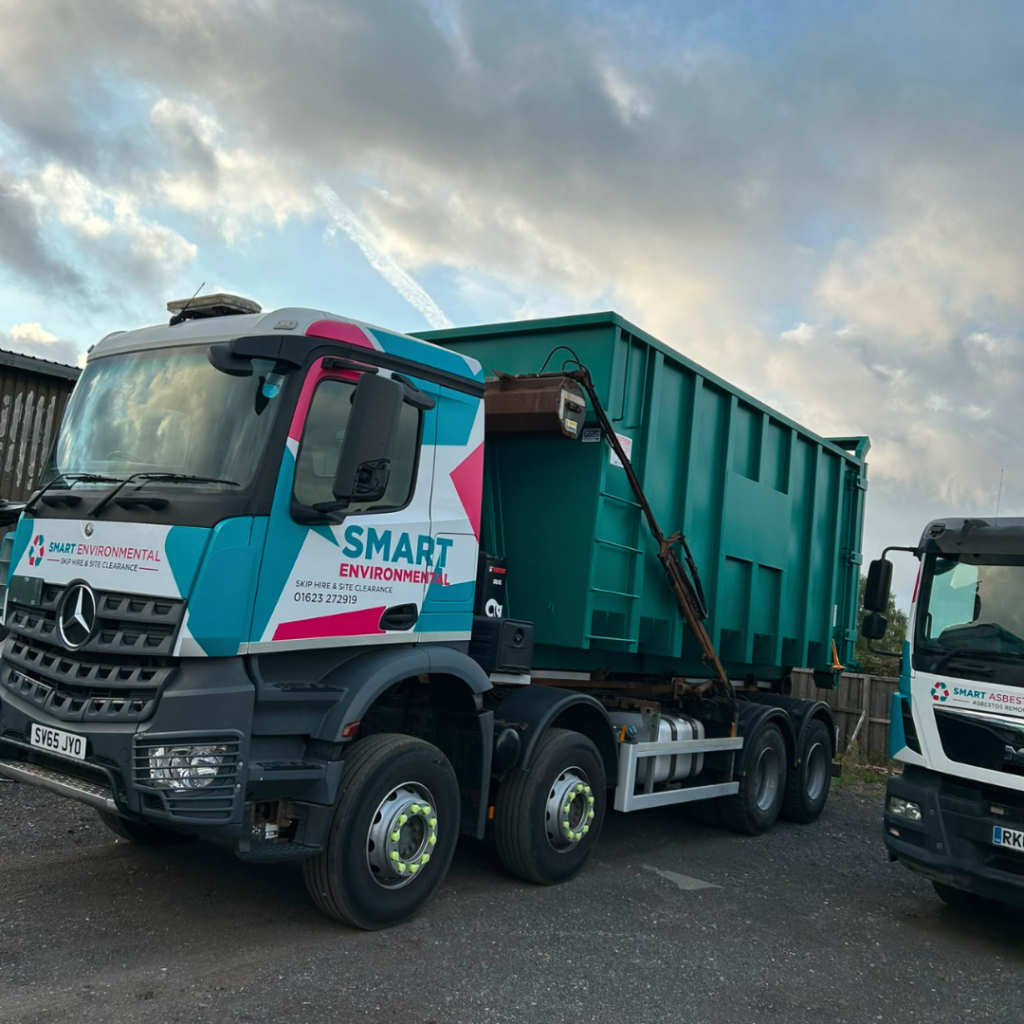
A 40-yard RoRo skip is designed for projects generating large quantities of lighter, bulkier waste.
It may be suitable for:
- Large commercial clearances.
- Warehouse clearance projects.
- Projects generating substantial volumes of suitable timber.
- Ongoing work producing bulky lightweight materials.
Its greater capacity can be particularly useful where waste accumulates quickly and sufficient space is available on site.
Why Choose a 40-Yard Skip?
The principal benefit is increased volume.
If your project generates enough suitable lightweight waste to fill a smaller container repeatedly, a 40-yard skip may reduce the number of collections required.
However, it must only be used for agreed waste types.
Our 40-yard RoRo skips are not suitable for heavy materials such as soil, hardcore, rubble or concrete.
For a detailed explanation of accepted materials, read What Can You Put in a RoRo Skip?
Does a 40-Yard Skip Take Up More Space?
Not necessarily as much additional ground space as you might expect.
RoRo skips can have similar lengths and widths while differing significantly in height.
However, dimensions vary between individual containers, so you should never rely on generic measurements when planning a delivery into a restricted area.
Approximate 20-Yard RoRo Dimensions
Length: 6.1 metres
Width: 2.4 metres
Height: 1.2–1.5 metres
Capacity: Approximately 15.3 cubic metres.
Approximate 40-Yard RoRo Dimensions
Length: 6.1 metres
Width: 2.4 metres
Height: 2.4–2.7 metres
Capacity: Approximately 30.6 cubic metres.
These are indicative industry dimensions, not confirmed measurements of our individual containers.
If you're working with limited space, contact us for the actual dimensions of the skip being supplied.
Consider How Quickly Your Waste Will Accumulate
One of the easiest ways to choose a skip size is to think about the pace of your project.
Short Projects Producing Waste Quickly
If you're completing a large clearance over a few days, you may generate most of your waste in a short period.
A larger container could be useful if the materials are suitable and you have sufficient space.
Longer Projects Producing Waste Gradually
For an ongoing building project, waste may accumulate steadily over several weeks.
In this situation, a smaller container with planned collections or exchanges may be more practical than having a larger skip occupying valuable site space.
Projects with Several Work Stages
Some projects produce different amounts of waste at different stages.
For example, an initial clearance might generate a large volume of waste, followed by smaller quantities during subsequent construction work.
Rather than automatically hiring the same size throughout, consider whether your container requirements will change as the project progresses.
Is One Large Skip Better Than Two Smaller Skips?
That depends on how your project operates.
One larger container may be useful when suitable waste is produced quickly and there is enough room to store it.
However, two smaller containers or a planned skip exchange could be more practical where:
- Site space is limited.
- Waste is generated in separate phases.
- Different working areas need their own containers.
- Collection access must be maintained throughout the project.
The most practical arrangement isn't always the one with the greatest total capacity.
It's the one that fits your working schedule and site layout.
Think About Delivery and Collection Access
A RoRo skip needs more than enough room to sit on the ground.
The delivery vehicle must be able to approach the placement area, unload the container and return to collect it safely.
Before choosing a size, consider the following.
Is the Entrance Wide Enough?
Check that the access route can accommodate a large delivery vehicle, not just the skip itself.
Is There Enough Manoeuvring Space?
The vehicle needs room to position itself for delivery and collection.
Are There Overhead Obstructions?
Trees, cables, structures and low entrances can restrict vehicle operations.
A taller container may also create additional clearance considerations.
Will the Skip Remain Accessible?
A container that fits perfectly on delivery day isn't much use if parked vehicles or stored materials prevent its collection later.
Is the Ground Suitable?
The placement area must be stable and capable of supporting the loaded container and delivery vehicle.
If you're uncertain about access, contact us before arranging delivery.
Should You Choose a Bigger Skip to Avoid Collections?
Not automatically.
A larger container may reduce collection frequency if you're producing enough suitable waste to fill it.
However, it can also occupy valuable working space and may be unnecessary for projects generating relatively small quantities.
Consider:
- How much waste will be produced each day.
- Whether the container is likely to fill before the project finishes.
- How much room is available for storage.
- Whether a planned exchange would be more convenient.
For longer projects, arranging collections around the work schedule can sometimes be more practical than simply choosing the largest skip available.
Which RoRo Skip Size Is More Cost-Effective?
There isn't a universal answer.
A 40-yard container offers more volume, but that doesn't mean it automatically represents better value.
Similarly, a 20-yard skip may cost less per hire but require additional collections if your project produces substantial quantities of suitable lightweight waste.
When comparing the options, consider the total arrangement rather than just the initial hire price.
That includes the number of collections you expect to need, the waste being disposed of and how long the container will be required.
We can discuss your project requirements and provide a quotation for a suitable arrangement.
Five Questions to Ask Before Choosing Your Skip
Before booking, it helps to have answers to these questions:
1. How much waste will the project generate?
Think about the total volume rather than just the amount produced on the first day.
2. Will the waste be generated all at once?
A short, intensive clearance may have different requirements from a project lasting several weeks.
3. Is the waste suitable for the container?
The material and its weight must be considered alongside volume.
4. How much space is available?
Include room for vehicle access and collection, not just the container.
5. Will you need more than one collection?
If so, consider whether planned exchanges would suit your schedule.
These details will help us discuss a suitable skip size for your project.
Need Help Choosing Between a 20 and 40-Yard RoRo Skip?
At Smart Environmental, we can help you choose a container based on your project, waste volume and available space.
We provide RoRo Skip Hire across Nottinghamshire, Derbyshire and surrounding areas, including Nottingham, Mansfield, Derby, Chesterfield and Newark.
Whether you're planning a one-off clearance or an ongoing construction project, contact us to discuss the most practical arrangement.
Call 01623 272 919 for a quotation.